
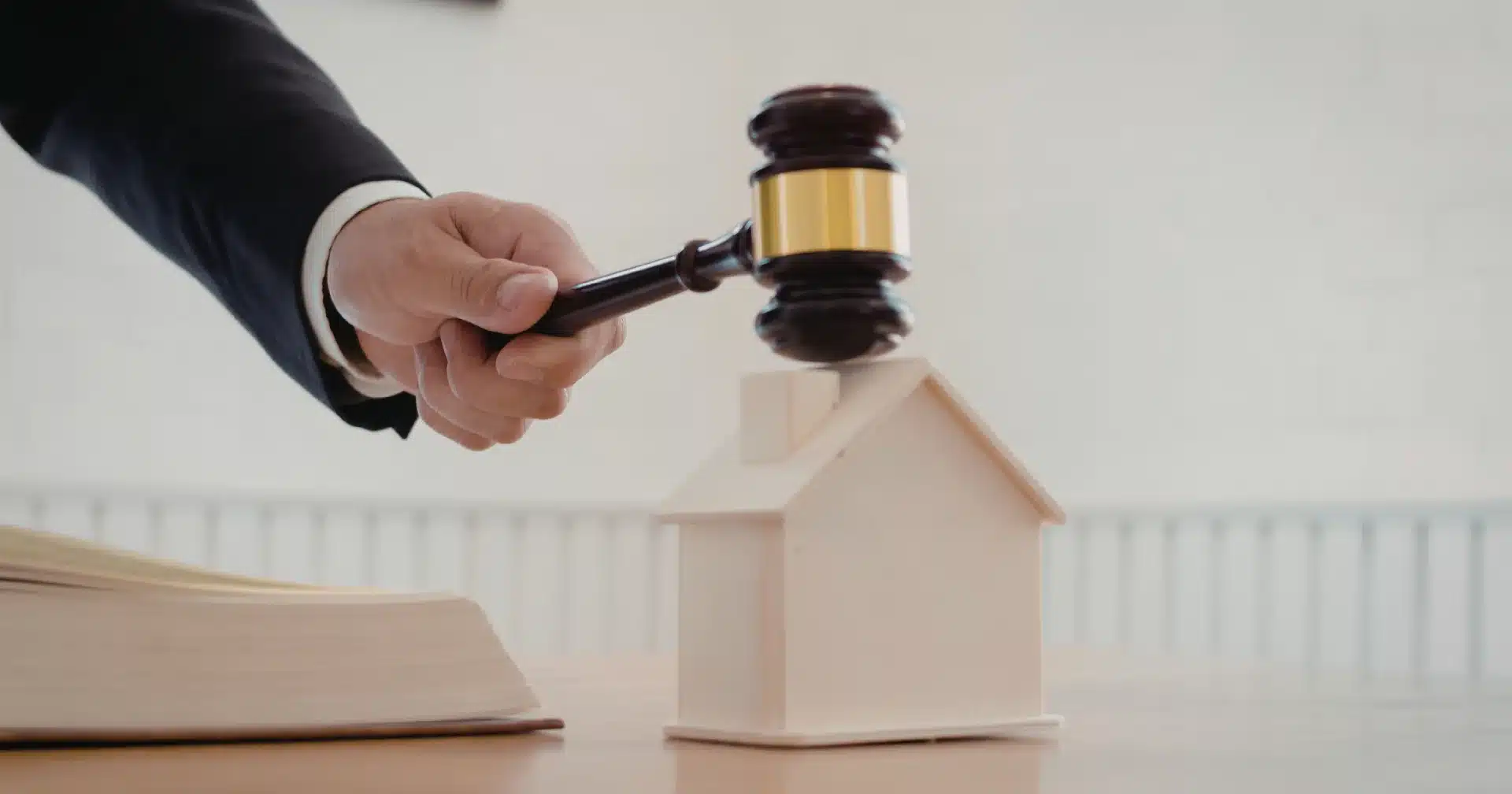
If you or a guest caused the damage, you might have to pay to fix it. Your landlord can deduct the cost from your security deposit or send you a bill, and that’s completely legal. What isn’t allowed is charging you for things that just wore out because you lived there. When carpet goes flat after years of footsteps, or paint loses its color from sunlight, or bathroom caulk starts to peel, that’s all considered normal wear and tear. Those repairs are up to the landlord, not you. Under California Civil Code section 1950.5, landlords can only take money for damage that’s beyond everyday use. That line between what’s your responsibility and what’s theirs suddenly matters a lot when your deposit is on the line. If you think the charges are unfair, don’t just accept them. It’s worth reaching out to a tenant rights attorney and getting a second opinion.
You Accidentally Broke Something. Your Landlord Now Wants $2,400. Here’s What You Actually Owe.
The cabinet door finally gives out after years. Your dog gets a burst of energy and leaves scratches on the hardwood. A guest manages to knock a towel bar right off the wall. You make a mental note and wince a little, but life goes on. Then, six months later, you’re looking at a move-out bill that feels like it belongs to a whole different apartment.
Here’s the part most landlords in California never mention: a lot of those charges aren’t actually legal.
Knowing where your responsibility ends and where the landlord’s begins can save you hundreds, sometimes even thousands, especially if you’ve lived there a long time. It’s worth paying attention to details. They can make a big difference.
What California Law Says About Rental Property Damage
California Civil Code section 1950.5 covers security deposits. It’s straight about one thing: landlords can only take money from your deposit if you or a guest caused damage that goes beyond normal wear and tear. That’s the line.
Charging you for things that are old or worn out isn’t allowed. The California Attorney General is pretty blunt about this. Landlords can’t keep your money for anything that’s just basic wear and tear, or for costs that don’t make sense. If you want to see it in black and white, there’s a consumer alert from the Attorney General’s office that spells it all out.
The principle is straightforward, but that doesn’t stop plenty of landlords from trying to bend it.
“Wear and Tear” Is a Legal Term, Not an Opinion
This is the spot where most tenants get stuck, and where The Law Firm For Tenant Rights, Inc. ends up handling the biggest fights.
Normal wear and tear is just the slow, steady aging that happens in any place people actually live, no matter how careful you are. California courts say it’s the kind of deterioration that comes from time and use, even when you take good care of things. For landlords, it’s simply the cost of running rental properties.
Here’s what counts as wear and tear:
- Paint that’s faded or a little scuffed after years in the apartment (not from your DIY art project nailed into every wall)
- Carpet that’s gone flat from years of footsteps
- Tiles that have lost their shine or bathtubs with worn enamel
- Hinges on cabinet or interior doors that have loosened up over time
- A few nail holes from hanging pictures, as long as it’s not overboard
- Toilet flappers or fixtures that have just gotten old
All of that comes with the territory. You shouldn’t be paying to fix it when you move out.
Actual tenant damage is a different story. That’s what happens when something breaks because of carelessness, misuse, or an accident. Maybe there’s a hole in the wall where a doorknob slammed too hard, or a carpet ruined by a pet accident, or a cracked stovetop from dropping something heavy. If you or a guest caused the damage and it’s beyond what everyday living would do, your landlord has a fair reason to charge you.
The Depreciation Rule Most Landlords Skip
Here’s something most tenants haven’t heard, and plenty of landlords hope you never will.
You can’t be charged the full price to replace something that was already past its prime.
California law says repair costs have to match the item’s remaining useful life.
Let’s say the carpet in your place was already nine years old when you moved in, and carpet usually lasts about ten years. Your landlord can’t expect you to pay three thousand dollars for brand-new carpet. At most, you’re on the hook for the tiny bit of life it had left. If the carpet was already at the end of the line, even a big stain doesn’t mean you owe a cent.
The same logic applies to paint, appliances, flooring, and fixtures. This is not a loophole. It is the law.
Your Pre-Move-Out Inspection: Use It
California Civil Code section 1950.5 gives you a right that most tenants leave on the table: you can ask for a pre-move-out inspection in the last two weeks before you leave.
Your landlord has to tell you about this in writing. If you ask for the inspection, they’re required to walk through the place with you and hand over a written list of anything they plan to deduct from your deposit. That gives you a real shot to fix things yourself, on your terms and at your cost, not theirs.
A tube of caulk might set you back six bucks. That same repair, if left to your landlord, can turn into a $300 “bathroom restoration” bill.
So ask for the inspection. Show up for it. Take care of whatever really is your responsibility. And don’t forget to snap photos before and after; your phone is your best friend here. That kind of proof can be the difference between getting your deposit back or spending months arguing over charges you can’t disprove.
What Happens When Landlords Overreach
Maybe you broke a window blind. Suddenly, your landlord hands you a bill that covers repainting every room, swapping out all the bathroom fixtures, deep cleaning the carpets that were already on their last legs, and a mysterious charge for “general restoration” that comes to $2,400.
This isn’t rare. California tenants run into this kind of thing all the time.
Under California Civil Code section 1950.5, your landlord gets 21 days after you move out to either send your full deposit back or mail you an itemized deduction list with receipts or honest estimates. If they blow that deadline, California Courts say they might lose the right to keep a single dollar.
If a judge decides your landlord made up charges or padded the bill, things can get expensive fast. The law lets you collect up to twice your deposit in penalties, plus whatever you were owed to begin with.
That adds up. A $3,000 deposit can turn into a $9,000 problem for a landlord who tries to push their luck.
This isn’t just an empty threat. The Law Firm For Tenant Rights, Inc. has seen it happen in court. The law backs up tenants who know their rights and aren’t afraid to stand up for them.
A Lease Cannot Override California Tenant Rights
Some landlords try to sneak in lease terms that say things like, “tenant is responsible for all repairs,” or “unit must be returned in original condition.” Here’s the key thing to remember: those clauses don’t beat California law.
If your lease tries to take away your protection against normal wear and tear, that part simply doesn’t count. The California Civil Code stands above anything written in your lease. So if your landlord points to the fine print and tries to bill you for worn-out appliances or faded paint, it doesn’t matter what you signed. That charge isn’t legal.
What to Do Right Now
If you’re about to move out, start by taking photos of every room. Get clear pictures of the walls, floors, appliances, and fixtures. Jot down the date for your records. If you notice anything that was already worn or damaged when you moved in, make a note of it and, if possible, pull up your original move-in photos.
If you’ve already moved and just got a deduction list that doesn’t add up, don’t assume you owe that money.
The Law Firm For Tenant Rights, Inc. offers free consultations for California tenants. We know what landlords can charge for, what they can’t, and the best ways to push back if they cross the line. Sometimes, a single phone call is all you need to find out if your case is worth pursuing and what to do next.
Book your free consultation today.
Related Questions
Can my landlord keep my entire security deposit because of one repair?
No. California Civil Code section 1950.5 says your landlord has to break down deductions and only charge you for the actual, reasonable cost of each problem. Keeping your whole deposit for a single repair, especially if it was already worn out, usually isn’t allowed and might even count as bad faith.
My landlord missed the 21-day deadline. What happens now?
If your landlord doesn’t give you an itemized statement or your deposit back within 21 days after you move out, they could lose the right to make any deductions at all. Before you assume the money is just late, check in with a tenant attorney to see what steps to take.
Can I be charged for a professional cleaning if I left the unit clean?
Generally, no. Thanks to SB 611, which updated California Civil Code section 1950.5, your landlord can only require professional cleaning if it’s truly needed to get the place back to the condition it was in when you moved in. If you left your apartment clean, a cleaning charge probably won’t hold up.
What’s the difference between damage and neglect?
Damage is something that breaks. Neglect is when something goes wrong because nobody took care of it. For example, if you knew about a small leak but didn’t report it and it turned into a bigger problem like mold, you could be responsible for part of the cost. Always make maintenance requests in writing so you have a clear record.
I have a pet and paid a pet deposit. Does that cover any damage my pet caused?
Not automatically. A pet deposit can go toward fixing damage from your pet that is beyond normal use, but regular pet signs like light scuffs near a pet door usually count as normal wear. If there’s major damage, like flooring ruined by urine, that’s different. The landlord still has to show the real costs, adjust for the item’s age, and give you an itemized list of charges.