
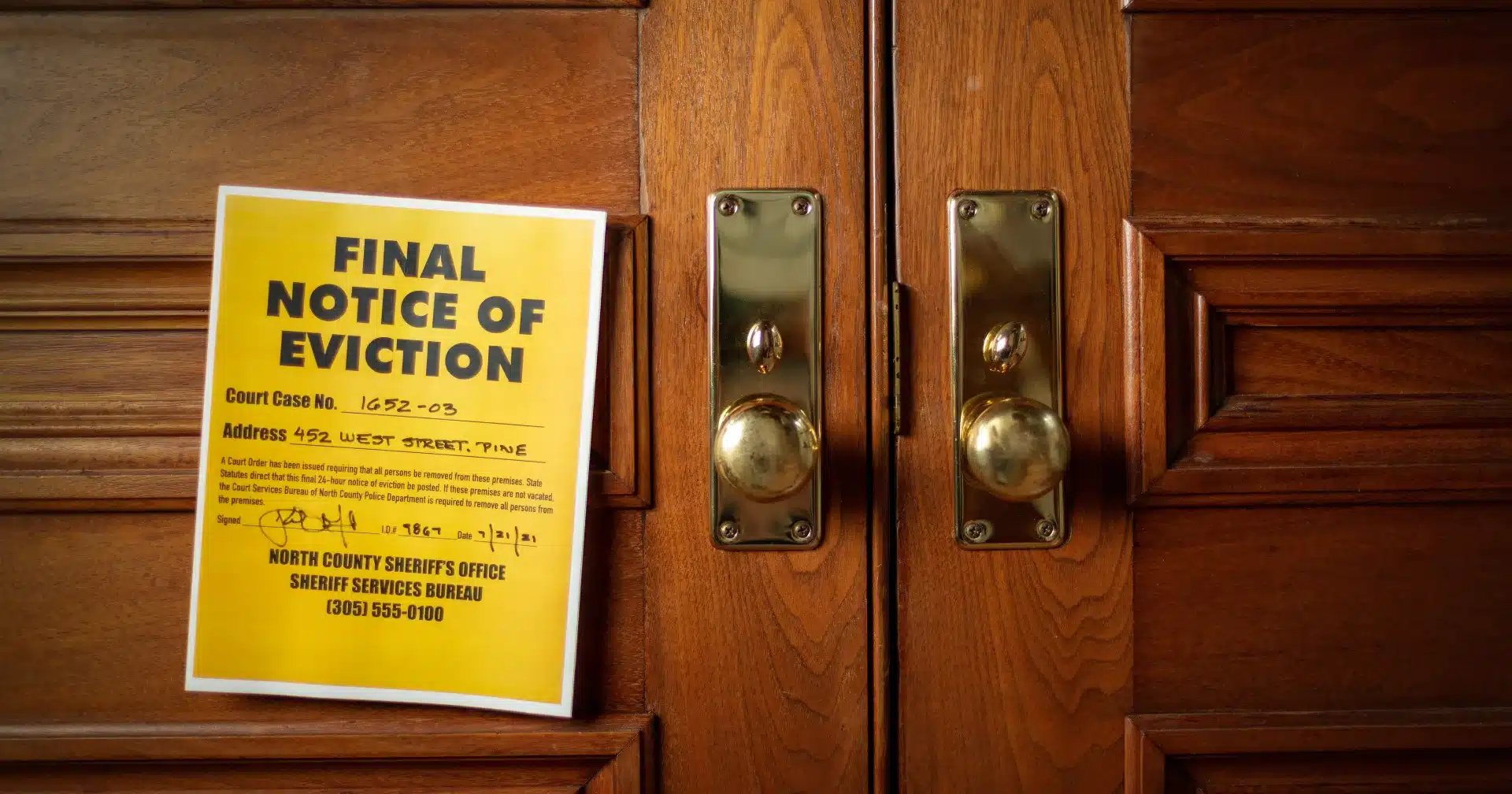
You open your mailbox and see it. A paper you didn’t expect. The words hit fast: eviction notice. For a moment, it feels like the ground shifts under your feet. Questions start piling up. “Do I have to leave right away?” “Did I do something wrong?” “Where am I supposed to go?”
Here’s the truth most people don’t realize in that first wave of panic. An eviction notice is not the same as being forced out of your home that day. It is the landlord’s formal way of starting a legal process, not the final step where you lose your place immediately.
Think of it like a warning light on a car dashboard. It tells you something needs attention, but it does not mean the car has already stopped working.
This is exactly where tenant rights matter most. According to the U.S. Department of Housing and Urban Development and the Consumer Financial Protection Bureau, tenants usually still have time to respond, fix issues, or challenge the notice before anything becomes final.
Don’t Ignore It
It’s tempting to set that envelope aside and deal with it later. Maybe after work. Maybe tomorrow, when things feel less stressful. But in real life, especially when it comes to tenant rights, those first 24 to 72 hours can quietly decide what happens next.
Here’s what ignoring it can lead to. The landlord can file an eviction case, and if you don’t respond on time, the court may issue a default judgment. That simply means the judge can decide the case without hearing your side. According to the Consumer Financial Protection Bureau, this is one of the most common reasons tenants lose eviction cases automatically.
This is why quick action matters. Not because you are already out, but because the system moves fast. Understanding your tenant rights early gives you more control over what happens next.
Identify the Type of Notice You Received
Not all eviction notices mean the same thing. One of the first steps in understanding your tenant rights is figuring out what kind of notice you actually received, because each one changes what you can do next.
For example, a Pay Rent or Quit notice usually means the landlord says rent is overdue. It gives you a short window to pay or move out. A Cure or Quit notice is different. It’s like being told, “Fix the problem or leave,” such as making too much noise or having an unauthorized pet.
Then there’s an Unconditional Quit notice, which is more serious. It often means the landlord wants you out with no option to fix the issue. Finally, a No-Fault Termination is when the tenancy ends for reasons like the landlord selling the property or moving in themselves.
Why does this matter? Because your rights, your deadlines, and even your defenses depend on which notice you got. Understanding notice types is one of the most important first steps tenants can take to protect themselves.
Understand Your Legal Rights as a Tenant
Getting an eviction notice can make you feel like you have already lost your home, but your tenant rights do not disappear just because a paper was handed to you. In most cases, you have the right to remain until a court order is issued. That means your landlord cannot legally force you out on their own.
Landlords also cannot lock you out, shut off your utilities, or remove your belongings. These actions are considered illegal in many places.
You also have the right to respond in court and tell your side of the story. And if the notice itself is incorrect or missing details, you may have the right to challenge improper notice under your tenant rights, which can sometimes stop or delay the process.
What You Should Do Immediately After Receiving the Notice
When you receive an eviction notice, your next moves matter more than anything. This is where your tenant rights start becoming practical steps you can actually use to protect yourself.
- Stay calm and document everything. Think of it like collecting clues in a story. Take a moment to read the notice carefully instead of reacting emotionally.
- Take photos or save paperwork. Keep a copy of the notice, envelopes, or any messages from your landlord so nothing gets lost or changed later.
- Communicate in writing with your landlord if needed. A simple text or email is often better than phone calls because it creates a record of what was said.
- Start gathering important documents, including: your lease agreement, rent payment receipts or bank records, and messages or emails between you and your landlord.
According to the Consumer Financial Protection Bureau, keeping clear records is one of the most effective ways tenants can protect themselves early in an eviction process.
How a Tenant Rights Law Firm Can Help
When an eviction notice shows up, it can feel like you are suddenly expected to speak a legal language you were never taught. This is where a tenant rights law firm steps in and helps translate everything into plain, clear steps.
At The Law Firm For Tenant Rights, Inc., we help you review the eviction notice for legality, negotiate directly with the landlord, and represent you in court if needed. We can also help delay or sometimes prevent eviction when the situation allows, giving you more time to figure things out. Most importantly, we work to protect your tenant rights and reduce long-term damage to your housing record.
If you are ready to fight the eviction notice, reach out to us today for a case review.