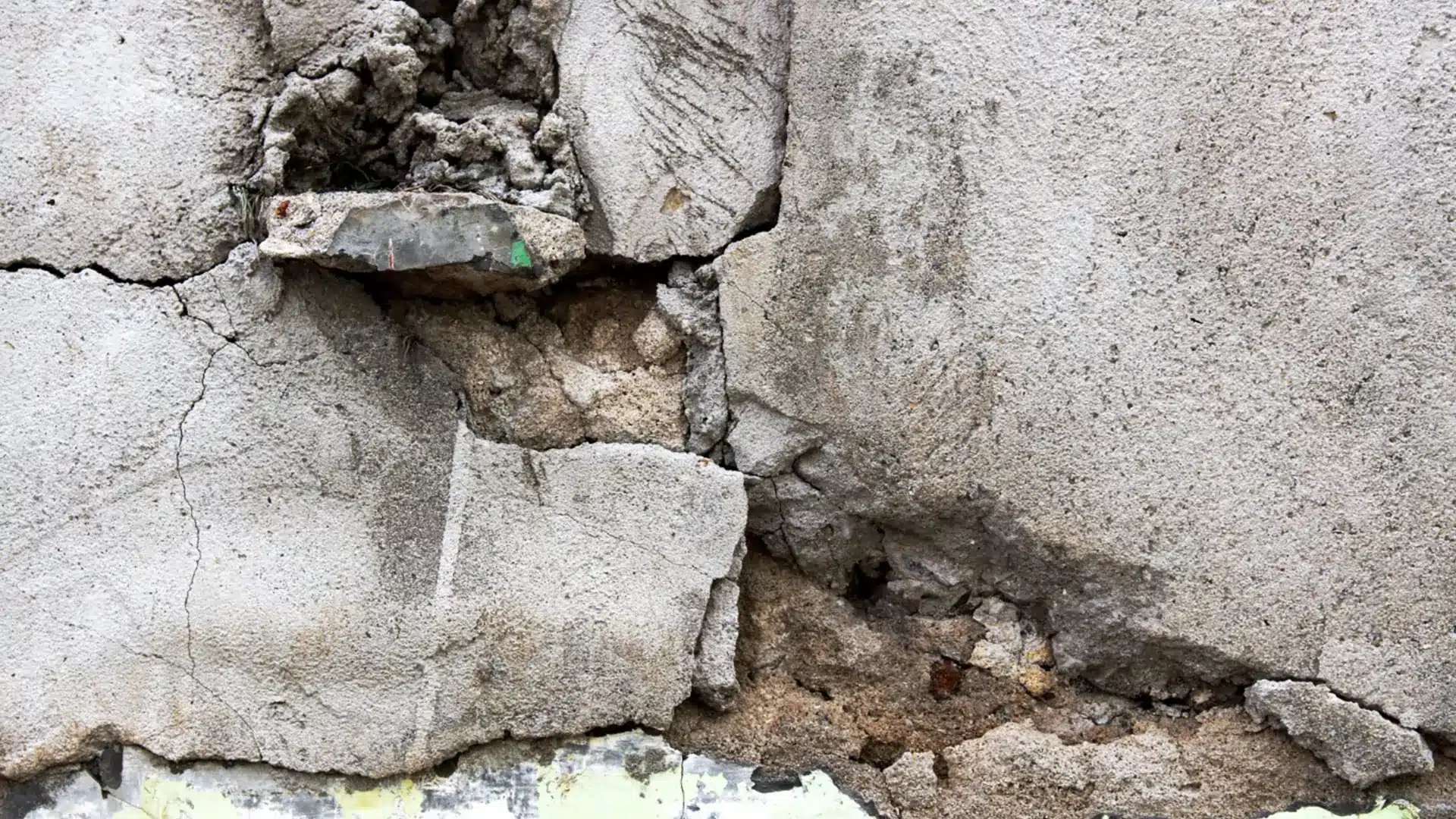
When your rental feels like a dump, it’s not just annoying. It’s unsafe.
You open a faucet only to get cold drips. A corner of drywall peels like an old poster. Mold creeps up where light won’t reach. These aren’t quirks of city living. These are signs your home may be failing you.
Tenants ask the same question again and again: What are tenant rights for repairs? You deserve to know your options. You deserve housing that doesn’t make you sick or stress you out every time it rains. That means knowing what the law says, what your landlord must do, and what steps you can take next.
Let’s be honest: Most landlords don’t volunteer to do repairs. Some act like they’re doing you a favor when they fix plumbing. Others ignore messages until you stop paying rent or call someone in. But ignoring legal obligations doesn’t make the problem go away. There are rules in California that govern these situations. There are timelines the law recognizes. And there are paths to enforce your right to live in a safe space. A lawyer for tenant rights can help you navigate every one of them.
Ask yourself: What happens if my landlord doesn’t fix that leaky roof? What can I do when the heater stays cold for weeks? How do I use the law to protect myself?
Let’s break this down clearly and without nonsense.
Is My Landlord Required to Repair
When you rent in California, there’s something called the implied warranty of habitability. It means your home must be fit to live in. Leaky roofs. No hot water. Walls eating mold. These things matter. If your place doesn’t meet basic health and safety standards, then your landlord has a duty to fix it. No clause in a lease can erase this legal requirement. Even if the contract says “as-is” or “no repairs,” your basic living conditions still matter under state law.
For example, California Civil Code § 1941 lists essentials your home must have:
- Hot and cold running water
- Heat that works in cold weather
- Plumbing that doesn’t back up
- A sound roof and exterior walls
If these break down, the landlord must act. Your duty as a tenant is to use things normally and report problems quickly. If you ignore an issue and it gets worse, you could be partly responsible for the damage.
Hospitals and housing studies alike show that mold exposure worsens asthma and allergies, especially in children and older adults. It isn’t just inconvenient. It’s linked to real health harm. The law treats these conditions as matters of habitability, not optional upgrades.
Our habitability and bad faith repairs team at The Law Firm For Tenant Rights, Inc. knows this code inside out. We guide tenants on notice rules, timelines, and how to document problems so your concerns don’t get brushed off as “minor issues.”
How Long Can Landlords Delay Repairs
You tell your landlord about a busted heater in January. It’s June, and you’re still cold in your own home. How long can they wait? The law doesn’t give a magic number like “three days for all problems.” Instead, repairs must happen in a reasonable time after you give notice.
What’s “reasonable”?
- Urgent issues like no heat in winter or no water may require an answer within days, not weeks.
- Problems that don’t affect health or safety might allow a bit more time.
The idea is simple: Repairs that impact your safety and health get faster responses. The law doesn’t define exact hours for every scenario, but many tenant lawyers refer to 30 days as a starting point for serious defects that don’t require emergency fixes.
If a landlord sits on a repair request long enough that your living conditions decline, you may have legal pathways. Many tenants think they must endure substandard housing because they “pay rent every month.” That’s not true. Tenants have tools and attorneys who know how to use them wisely to push for solutions.
Our attorneys at The Law Firm For Tenant Rights, Inc. help tenants understand what counts as a reasonable timeframe based on the specific issue and local housing code interpretations.
Why Landlords Refuse to Make Repairs
Why do some landlords avoid repairs? There’s no single reason, but several patterns show up again and again:
- They want to delay spending money.
- They hope the tenant will leave soon.
- They claim the tenant caused the issue.
- They think “as-is” language overrides all rights.
Some landlords act like repair requests are personal attacks. They may dismiss evidence or refuse to schedule professionals. This behavior isn’t good practice, and, in many cases, it violates California’s habitability standards. Neglect isn’t just bad business. It can cross into landlord harassment or constructive eviction if the conditions climb above the threshold of mere inconvenience.
A recent article in California Renter highlights how courts consider repeated failure to repair health-related defects as part of a pattern of neglect. When a landlord repeatedly ignores repair notice after notice, judges don’t just shrug. They look at the evidence, timelines, and tenant communications to assess whether your living conditions became unsafe.
The Law Firm For Tenant Rights, Inc.’s landlord harassment and constructive evictions team tracks these patterns. When a landlord refuses repairs repeatedly, our attorneys use documented timelines and code citations to build a strong case.
How Tenants Can Enforce Repair Rights
You’ve told your landlord about that leaky ceiling. You’ve waited weeks and heard nothing. What can you do next? Here are real, lawful options California tenants may use:
1. Written Notice and Documentation
Put your request in writing. Include dates, photos, and what impact the defect has on habitability. Written records are powerful evidence if a dispute arises.
2. Repair and Deduct
Under California Civil Code § 1942, if the landlord doesn’t act in a reasonable time, tenants may hire a professional to fix the issue and subtract the cost from the next rent payment. There are limits:
- Costs can’t exceed one month’s rent.
- You can only do it twice a year.
- You must notify the landlord first.
This option isn’t something to use casually. Landlords sometimes challenge it if you did not follow the steps strictly.
3. Report to Code Enforcement
If a government inspection finds code violations, the landlord may face official orders to act. This external pressure often moves repairs forward.
4. Legal Action
In some situations, filing a formal complaint or lawsuit is the right move. Courts can order repairs, assess financial remedies, and address ongoing neglect.
These aren’t “threats.” These are legal rights backed by statutes. Tenants who try these steps without legal guidance often miss key requirements or lose procedural advantages.
That’s where The Law Firm For Tenant Rights, Inc.’s representation at the Rent Board helps clients build evidence, choose the best path, and steer the legal process with confidence.
Is Poor Maintenance a Habitability Violation
Not all broken things make your home legally uninhabitable. A cracked tile or faded paint might be annoying. But defects that affect health or safety cross the line into habitability violations.
Examples of habitability violations:
- No hot water or running water
- Plumbing failures that affect hygiene
- Electrical hazards
- Mold growth that risks health
- Structural damage (walls, ceiling collapsing)
These aren’t petty issues. Courts reference housing codes and local health standards to decide whether defects make a home unsafe. When they do, landlords have an obligation to take action.
California courts consistently ruled that missing essential services, like reliable plumbing or safe electrical systems, meet the legal standard for habitability violations. Landlords who ignore these conditions risk orders to fix them or pay damages.
The Law Firm For Tenant Rights, Inc. understands how habitability standards apply in real disputes. Our attorneys help tenants interpret local codes and use expert reports to demonstrate violations.
How Repair Disputes Become Legal Cases
When repairs stall and conditions worsen, disputes may escalate into legal cases. These aren’t dramatic courtroom battles with fiery speeches. They’re evidence-based legal processes. Judges look at timelines, notices, housing code references, and communications between tenant and landlord.
A typical repair dispute case begins when:
- A tenant provides written notice.
- The landlord does not act in a reasonable time.
- The tenant gathers documentation (photos, copies, and inspector reports).
Then one of the following may happen:
- A complaint is filed with a local housing agency.
- A civil suit is filed to order repairs and address damages.
In many jurisdictions, tenants can also pursue abatement actions where rent is reduced due to substandard conditions until repairs occur. Attorney involvement here makes a huge difference. Judges expect organized evidence and legal framing, not loose notes or text screenshots.
Attorneys from The Law Firm For Tenant Rights, Inc. have experience preparing this type of evidence, presenting it to judges, and communicating with opposing counsel to frame issues around code violations rather than emotional disputes.
Your Next Step
When walls crumble, and hot water never comes, you don’t have to guess what comes next. You now know what landlord duties are, what steps you can take, and how the law interprets habitability issues.
The Law Firm For Tenant Rights, Inc. stands ready to help you apply this knowledge to your case. If your landlord has ignored repair requests, delayed action unreasonably, or created unsafe living conditions, you deserve sound guidance, not silence.
Take action and protect your home today. Reach out to The Law Firm For Tenant Rights, Inc. for trusted representation and clear steps forward.
Common Questions About Tenant Repair Rights
What is the landlord’s responsibility for repairs?
Landlords must keep your home safe and livable. It includes working plumbing, heat, hot water, and no dangerous structural issues under California law.
Can landlords delay repairs indefinitely?
No. Landlords must repair within a reasonable time after you notify them. The law looks at the problem’s urgency to decide what’s reasonable.
Can I fix things myself and subtract the cost from rent?
Yes, under strict conditions. Costs can’t exceed one month’s rent, and you must provide notice first.
What makes a home legally uninhabitable?
A lack of essential services like water, heat, plumbing, or serious health hazards like mold can make a home legally uninhabitable.
Do I need a written notice?
Yes. Written notice helps document your request and protects your rights if a dispute escalates.
Can a landlord retaliate after a repair request?
Retaliation is prohibited. If adverse actions occur after your complaint, the law may presume retaliation unless there’s a valid independent reason.
Can I withhold rent if repairs aren’t made?
In some cases, yes, but you must follow legal procedures and often deposit rent into escrow. Legal advice helps avoid risks.
Does mold qualify for repair and deduction?
If the mold affects health or safety and you gave proper notice, it may qualify under the repair and deduct terms.
What if my landlord won’t respond?
You can report code violations to housing authorities and pursue legal remedies with attorney support.
Should I talk to a lawyer?
Yes. Tenant law can be complex. A lawyer helps ensure you follow the steps correctly and protects your rights throughout the process.