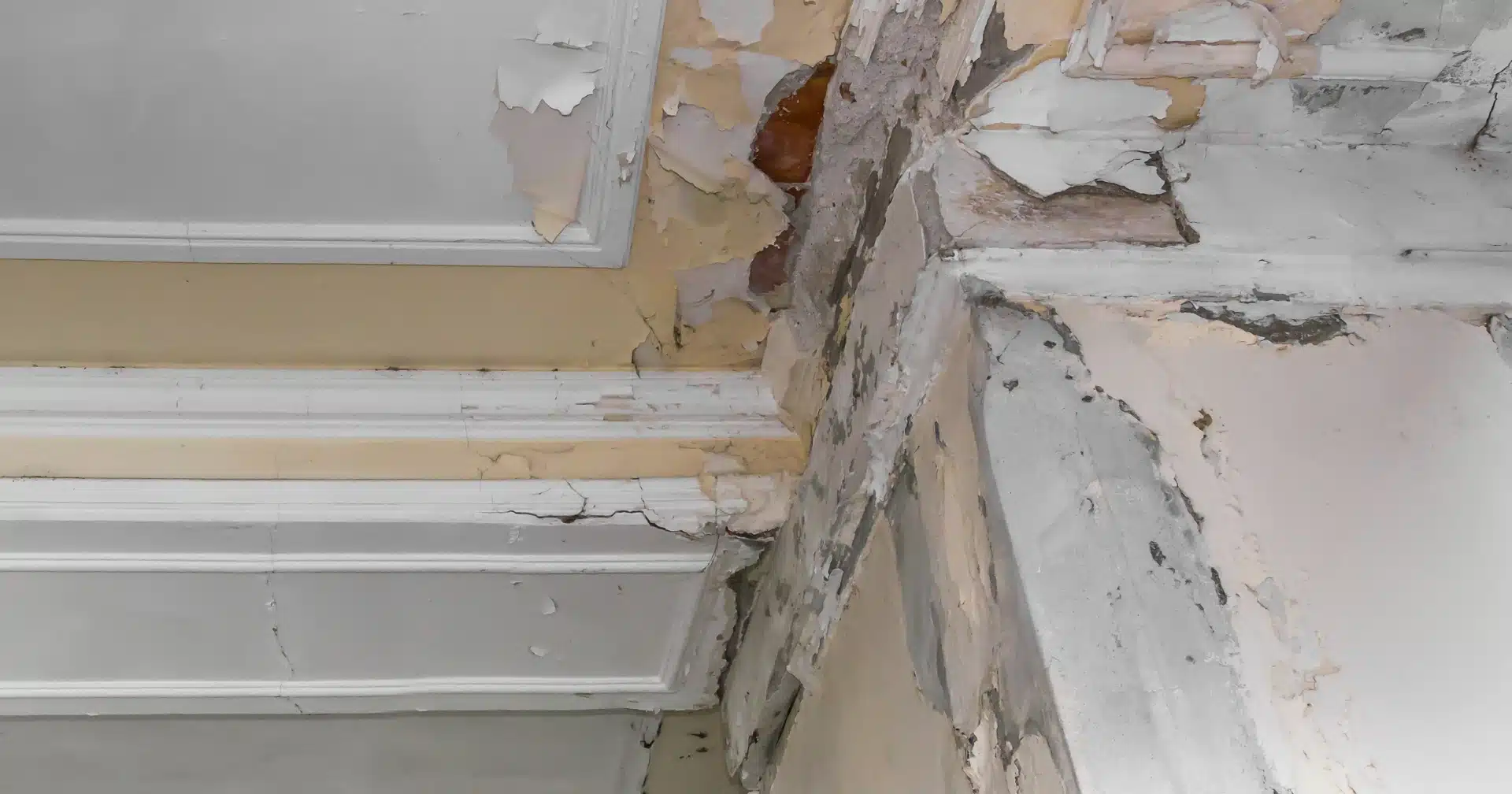
Think of yourself walking into your home after a long day. You drop your bag, kick off your shoes, and all you need is to relax. But something feels wrong. The air smells damp. The walls look darker than last week. Your chest feels tight.
You cough again. Your kid coughs again. And you start to wonder… “Is this mold getting worse?” And then an even scarier thought hits you: “Is this hurting my family?”
Most people hope it will go away. But what if the spots keep spreading? What if the leak above your bathroom keeps dripping? What if your landlord keeps saying, “I’ll handle it later,” but later never comes?
Does that mean you’re stuck? Does that mean you have to live with this? Or pay rent for a place that might be hurting your lungs?
Here’s the truth: you have more power than you think.
So, why should you stay quiet? Why should you keep paying for a home that makes you sick? Why should your kids breathe dirty air while your landlord shrugs?
Let’s walk through this together — simply, clearly, and in a way that makes sense.
Why Does Mold Make Landlords Liable?
So, what makes mold your landlord’s problem? Well, think about the deal you made when you rented your place. You agreed to pay rent on time. And your landlord decided to give you a safe, livable home.
- Safe means walls that don’t leak.
- Safe means air that doesn’t harm your lungs.
- Safe means conditions that don’t make you sick.
But when mold grows, it usually means something underneath is broken. A pipe is leaking. The roof is dripping. A wall is staying wet. And you can’t control any of that. You didn’t install the pipes. You didn’t build the building. So, how could this be your fault?
Courts see it the same way.
In Wheeler v. D’Antonio (2025), tenants lived with mold, leaks, bugs, and even a broken toilet. They told the landlord again and again. Nothing changed. The court said, “Nope. This is not okay.” And the judge ordered repairs and even lowered the rent to zero until things were safe.
Here’s the big question: If another family can stand up for themselves, why can’t you?
What Legal Rights Protect Tenants Here?
Every renter deserves a home that won’t harm them.
Most states call this the “right to a habitable home.” Sounds fancy, but it really just means: your home should not be dangerous.
So, what happens when your home is dangerous? Do you lose your rights? Do you have to move out quietly? Do you have to keep paying rent?
Take the case of Martin et al. v. Castillo et al. (2025) in California. The tenants said their landlords gave them a home with water damage already hiding behind the walls. Mold started growing. The heat didn’t work. The structure had problems. The tenants said, “We can’t live here.” And you know what? Their complaint said these conditions were so bad that it was basically like being kicked out. That’s called “constructive eviction,” but don’t worry about the term. It just means: “The home is so unsafe it pushes you out.”
If a court can recognize that for them, why can’t it recognize that for you? Why should you sacrifice your health for someone else’s property?
You have rights. Real ones. Strong ones.
How to Document Mold Damage Properly?
Let me be honest with you.
Your voice matters. Your story matters. But when you’re fighting a landlord, proof matters even more.
So, what should you save? What should you record? What actually helps in court?
Here’s the simple version:
- Take pictures of the mold. Close ones. Far ones. All angles.
- Record videos.
- Note the dates.
- Text or email your landlord. Keep those messages.
- Save doctor notes if someone gets sick.
- Keep receipts for cleaning supplies or temporary stays elsewhere.
- If you can, get a mold inspection.
One judge in a 2024 California case looked closely at photos, test results, and even the timeline of tenant complaints. That evidence made the difference.
Think about it: If you walked into court with just a story, your landlord might say, “It’s not that bad.” But if you walk in with pictures, dates, and proof? Suddenly, the story changes.
So, ask yourself: What proof can you start collecting today?
Can Tenants Force Mold Inspections Legally?
Sometimes landlords don’t act until someone bigger tells them to. That’s where inspections come in.
- Ever wonder if you can call someone official to look at your home?
- Someone who isn’t your landlord?
- Someone who sees the real problem and writes it down?
Yes, in many places, you can.
When tenants in the Wheeler case contacted officials about unsafe conditions, the inspection played a huge role in the court’s decision. It showed the home had serious problems. Not “messy.” Not “tenant error.” Real, structural, dangerous issues.
Why does this help? Because inspectors don’t guess. They don’t sugarcoat. They write reports. And courts trust reports.
So, here’s the question: If your landlord won’t listen to you, would they listen if the city stepped in?
How to File a Mold Lawsuit?
Filing a lawsuit sounds scary, but let’s break it down.
Think of it like walking down a hallway. You only walk through one door at a time.
Here’s how it usually goes:
- Gather your proof. Photos. Videos. Doctor notes. Messages.
- Tell your landlord in writing. Not a phone call. Written words.
- Give them a chance to fix it. Sometimes they act fast.
- If they don’t? Talk to a tenant-rights lawyer.
- Your lawyer helps file the lawsuit.
Some people think lawsuits mean big fights. Sometimes they don’t. Sometimes landlords settle. Sometimes they fix the place. Sometimes rent gets lowered.
You don’t need to know legal words or court rules. You just need to know your story and have someone who knows the law help you tell it.
Ask yourself: Why stay silent when the law can help you speak?
What Compensation Can Tenants Receive?
Let’s talk about the one question almost every tenant quietly thinks about: “If I sue for mold, what can I actually get back?”
It’s a fair question. When you’re sick, scared, or tired of being ignored, you want to know if fighting back is even worth it. Let’s make this simple.
The truth is, it all depends on how badly the mold hurt you and how long your landlord looked the other way.
Look at what just happened in Las Vegas. A mother and her two kids lived with leaks and toxic mold for months. Neighbors had complained about the same problem over and over (more than two dozen times). Management still didn’t fix it. Then one day, the ceiling collapsed on her. Her daughter ended up in the hospital. Her whole family got sick.
A jury looked at the damage and said, “This is not okay.” They awarded the family $6.6 million in total. That verdict sent a loud message: when a landlord ignores danger, the cost can be huge.
So, what could you get if your landlord let mold take over your home? It might include:
- Refunds for the months of rent you paid for an unsafe place
- Medical bills for breathing problems, headaches, or long-term illness
- Money for ruined clothes, furniture, or anything that mold has destroyed
- Moving costs if you had to leave fast
- Compensation for the stress, fear, and pain your family went through
- Even extra penalties if the landlord knew about the danger and still did nothing
So, pause for a second and look back at your own story. How long did you live with mold? How much did it cost you? How much did it scare you, or make you sick, or disrupt your life?
Now, ask yourself: Why shouldn’t you get help rebuilding what mold took from you?
You Deserve to Breathe Easy Again
Here’s the thing:
- You don’t deserve a home that scares you.
- You don’t deserve mold on your walls or in your air.
- You don’t deserve to fight this alone.
You deserve:
- Answers.
- Health.
- And a safe place to sleep, eat, and live.
Fighting back isn’t about anger. It’s about safety, fairness, and saying, “My family matters.”
The Law Firm for Tenant Rights, Inc. helps tenants handle messy, stressful mold cases all the time. They know the signs. They know the laws. They know how to hold landlords accountable when homes become unsafe.
If your home feels dangerous, don’t wait. Start gathering proof. Ask questions. And reach out for help. Your health, your home, and your peace of mind are worth it.
It’s your turn to breathe clean air again.
FAQs
Can I sue my landlord even if the mold seems small?
Yes. Even small patches can mean bigger leaks or hidden problems.
Do I need a mold test to win a case?
Not always, but tests can make your case stronger. Talk to a lawyer to get advice on this.
What if my landlord says the mold is my fault?
Your photos and inspection records can show what really caused it.
Can I move out and still sue later?
In many places, yes, but time rules vary by state.
Can I stop paying rent because of mold?
Not without proper steps. A lawyer can guide you safely.
Will suing my landlord get me evicted?
Laws protect tenants from retaliation in many states.
Do I have to pay up front to file a mold case?
Most tenant lawyers do not charge up front and get paid only if you win.
What if my kid gets sick from mold?
Save medical records. They matter a lot in cases.
How long does a mold lawsuit take?
It depends, but strong proof helps speed things up.