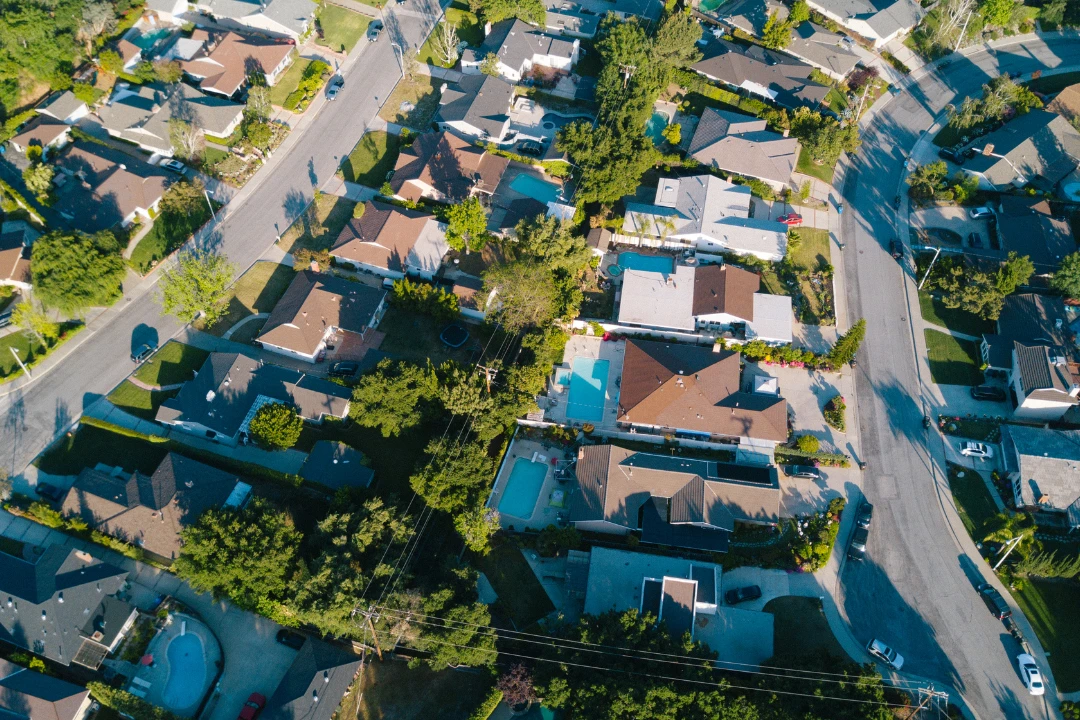
LFRT Feature Image

Tenant Help in Sunnyvale You Can Count On Now

Living in Sunnyvale sounds like a dream. The weather’s great. The tech jobs are booming. But when rent climbs, and landlords ignore problems, things go south fast.

That’s where we come in. At The Law Firm for Tenant Rights, we stand up for renters. We’re based in San Francisco, but we fight hard for tenants in Sunnyvale, too. You don’t have to stay silent. We help you push back—fast and loud.

Rents Are High and Getting Higher

Sunnyvale sits in the heart of Silicon Valley. Tech workers love it. But high demand means high rent. A small one-bedroom now averages around $2,941 a month.

Many landlords try to charge even more. Some skip repairs. Others break the rules. That’s where tenant rights in Sunnyvale make a big difference.

You can’t stop rent from rising. But you can stop unfair hikes. You can force repairs. You can fight back when things go wrong.

Sunnyvale

Know the Rules Landlords Must Follow

You have more power than you think. California law protects renters. Sunnyvale renters get extra help, too. If your landlord breaks the rules, we help you hold them accountable.

1. Can My Rent Go Up Anytime?

No. Your landlord must follow rent laws. Usually, rent can go up once a year—about 5% plus inflation. They must give 30 or 60 days’ written notice first.

2. What If My Landlord Ignores Repairs?

No, your landlord must fix heat, water, and safety problems fast. You can send a repair request in writing. Keep copies. If they don’t act, we’ll help you take legal steps.

3. Can I Get Evicted Without a Reason?

No. Landlords need a legal reason to evict. “Just cause” is required under California law. Wanting more money is not a good enough reason.

4. Will I Ever Get My Security Deposit Back?

Yes. Landlords have 21 days to return it. If they keep any of it, they must explain why—in writing. If they don’t, we’ll help you get it back.

5. Can My Landlord Show Up Without Notice?

No. That’s not allowed. Your landlord must give you 24 hours’ written notice first. Emergencies are the only exception.

6. Is It Harassment If My Landlord Won’t Leave Me Alone?

Yes. Too many calls, threats, or visits can count as harassment. That’s against the law. You can report it and take legal action.

7. Can I Ask to Change the Lease?

Yes. You don’t have to accept unfair terms. Want lower rent? Less fees? Better rules for pets? Ask. We help you negotiate.

Quick Answers to Common Tenant Questions

We hear from Sunnyvale renters every day. Their questions are simple—but the answers matter. Here are some we get a lot.

What if my landlord shuts off water or power?

That’s illegal. Call us right away. We can help fast.

Can I stop paying rent if things break?

Maybe. You must first ask for repairs in writing. If they don’t fix it, we’ll guide you through the next steps.

Do I have to move when my lease ends?

No. They must give you notice—30 or 60 days. And they still need a reason.

Are there fees for basic repairs?

No. Repairs are their job. They can’t charge you for leaks, mold, or heat problems.

What if they try to evict me after I complain?

That’s called retaliation. It’s illegal. You can fight back and win.

How long do repairs usually take?

Urgent ones—like no heat—must be fixed in 48 hours. Others should be fixed in a few days.

Are there local groups that help Sunnyvale tenants?

Yes. We’ll connect you to free legal aid and renter help groups.

Fighting for Sunnyvale Renters Every Day

Sunnyvale may look quiet—but renters there face big problems. We’ve seen it all. Landlords raising rent without warning. Broken plumbing ignored for weeks. Evictions with no reason.

We bring strong legal help to Sunnyvale renters. Whether you live near Downtown, Cherry Orchard, or Lakewood, we’ve got your back. We’ve helped workers, students, and families hold landlords accountable.

Big city tricks don’t work when we show up. We make landlords listen. We make them fix what’s broken.

Ready to Fight? We’re on Your Side

Don’t let your landlord walk all over you. You have rights. Use them.

If the rent is too high, let’s talk. If something’s broken, we’ll get it fixed. If you’re being harassed or evicted, we’ll stop it fast.

We make the law work for Sunnyvale renters. Call The Law Firm for Tenant Rights now. Let’s take back your peace of mind—together.

Tenant Protections in Sunnyvale: What Local and State Law Means for You

Sunnyvale doesn’t rely on a traditional rent control system like some nearby cities. Instead, tenant protections come from a combination of California statewide law and local ordinances that strengthen those rules.

1. State Law Still Forms the Foundation (AB 1482)

Most tenant protections in Sunnyvale come from California’s Tenant Protection Act of 2019 (AB 1482). This law applies to many rental properties and sets clear limits on what landlords can do.

  • Rent increases are generally capped at 5% + inflation (CPI), or 10% max per year
  • Increases can only happen once every 12 months
  • Tenants who have lived in a unit for 12+ months are protected by “just cause” eviction rules

This means landlords cannot simply ask you to leave without a legally valid reason.

2. Just Cause Eviction Framework

If you’ve lived in your unit for at least a year, your landlord must provide a legally valid reason to evict you.

These fall into two categories:

  • At-fault evictions: Nonpayment of rent, lease violations, nuisance, or illegal activity
  • No-fault evictions: Owner move-in, major renovations, or removal from the rental market
  • For no-fault evictions, tenants are typically entitled to relocation assistance, especially under Sunnyvale’s stricter local rules
  • Some rentals are exempt from rent caps under California law, including buildings less than 15 years old, certain single-family homes or condos, and owner-occupied duplexes. 

However, even when rent caps don’t apply, eviction protections may still apply, depending on the situation


3. Eviction Notice Requirements

Evictions in Sunnyvale follow California’s formal unlawful detainer process, which requires landlords to follow strict notice rules before filing in court.

  • Nonpayment of rent: Landlords must typically serve a 3-day notice to pay rent or quit
  • Lease violations: A 3-day notice to cure or quit may apply, depending on the issue
  • No-fault evictions: Longer notice periods (often 30 or 60 days) are required based on how long the tenant has lived in the unit

Under California’s Tenant Protection Act of 2019 (AB 1482), no-fault evictions are allowed only in specific cases. 

4. Habitability and Tenant Protection Standards

California law requires landlords to maintain rental properties in a safe, habitable condition at all times. This is known as the implied warranty of habitability, a core principle in California landlord-tenant law implied warranty of habitability.

At a minimum, rental units must include:

  • Functional plumbing and electrical systems
  • Proper structural integrity and weatherproofing
  • Adequate pest control and sanitation
  • Reliable heating systems, especially during colder months

If these standards are not met, tenants may have the right to request repairs, withhold rent under certain conditions, or pursue legal remedies.

Source: California Legislative Information

5. Ellis Act Rental Withdrawal Rules

Under the Ellis Act in California, landlords in Sunnyvale may remove rental units from the market but only by following strict legal procedures.

Key requirements include:

  • Providing advance written notice to tenants
  • Filing proper documentation with the city
  • Complying with timelines before tenants must vacate

Whether state law applies depends on local implementation. Call The Law Firm For Tenant Rights, Inc. to get advice on whether the Ellis Act applies to your situation.

Source: California Legislative Information 

6. Anti-Harassment and Fair Housing Rules

California law strictly prohibits landlords from using harassment or illegal pressure tactics to force tenants out. Under protections enforced by the California Civil Rights Department, landlords may not:

  • Use threats, coercion, or intimidation
  • Shut off utilities or essential services
  • Misrepresent eviction notices or legal rights

Tenants are also protected under broader fair housing laws, which prohibit discrimination based on race, disability, family status, and other protected characteristics.

Source: California Civil Rights Department