

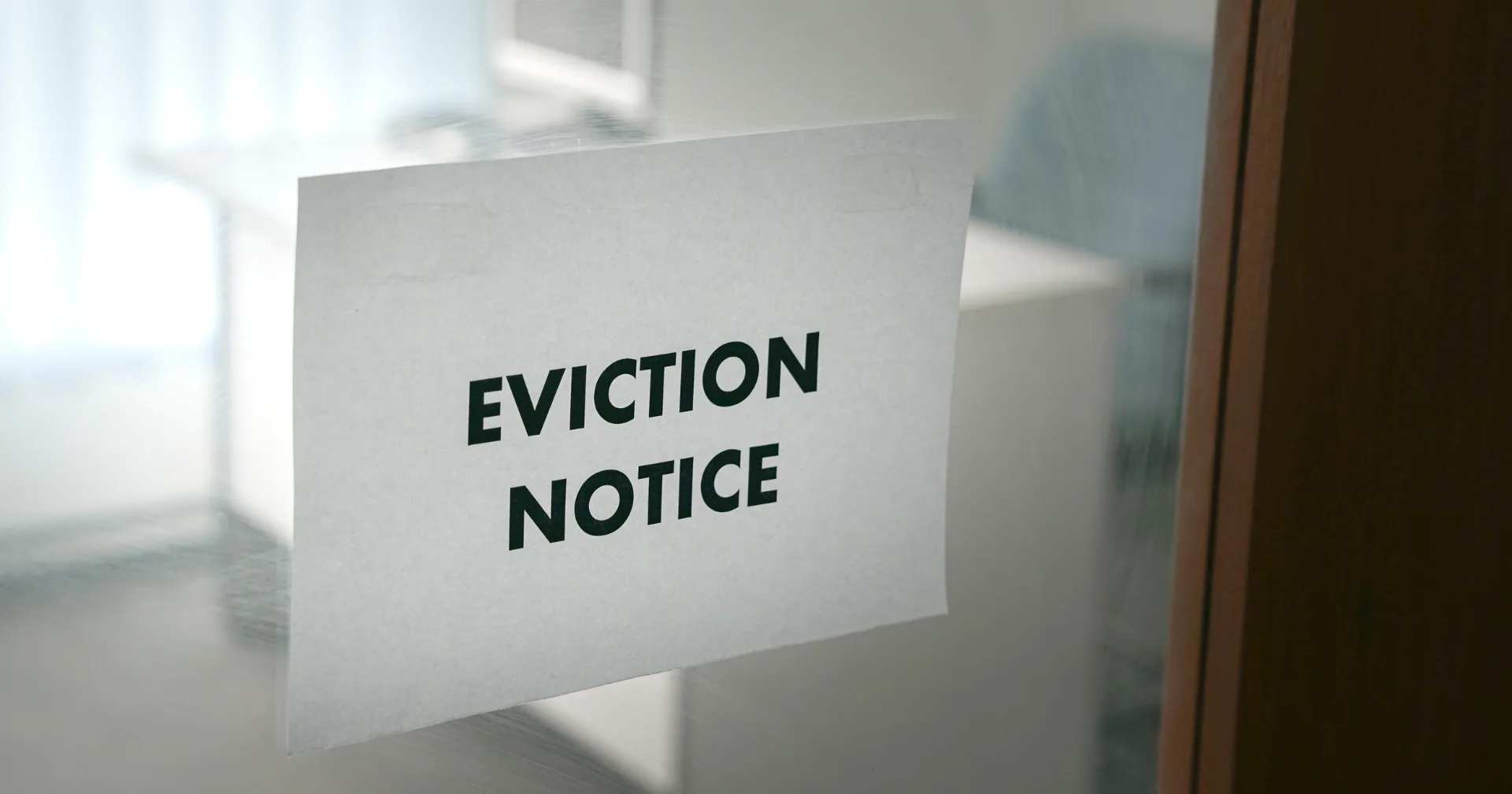
In most cases in California, no, your landlord cannot simply decide one day that they want you out and hand you a notice. The law supports you, and most landlords need a valid legal reason, called ‘just cause,’ before they can evict a tenant, especially if you have lived there for a while, and they have to give you that reason in writing.
So, if you’ve been handed an eviction notice that feels out of the blue or doesn’t really explain what’s going on, that’s a big warning sign. You might have more rights here than you realize, and you don’t have to figure this out alone.
“Just Because” Is Not a Legal Reason
Here’s something many renters don’t realize until it’s too late: in California, your landlord usually needs a “just cause” to evict you. This is an actual law, meant to protect you from being pushed out of your home for no good reason.
Just cause reasons for eviction generally include things like not paying rent, seriously violating the terms of your lease, or using the property for something illegal. Basically, your landlord has to have a real, documented reason to say the tenancy isn’t working.
But, what is not a just cause reason? It’s your landlord just wanting you gone. A landlord generally cannot evict you simply because they want a higher-paying tenant or personally prefer someone else in the unit. California law usually requires a legally recognized reason and proper notice. None of those is a legal reason for eviction.
So if you’ve been handed an eviction notice without a clear, legitimate explanation, there’s probably a good chance you’re facing what’s called a wrongful eviction, and you have rights.
Why California Eviction Notice Requirements Matter
Even when a landlord does have a valid just-cause reason, they can’t simply tell you verbally to leave by Friday. In California, they’re required to give you a formal, written notice that follows specific rules, like the right format, right details, and right timing.
Why does this matter? Because even if your landlord thinks they have a case, if they skip the proper notice, you can still fight the eviction. It’s not just about whether they have a reason; it’s about whether they followed the process correctly.
So if all you got was a knock at the door or you received something that looks informal or incomplete, don’t assume it’s automatically enforceable. The process is just as important as the reason.
When Landlords Act in Bad Faith — And Why It’s More Common Than You’d Expect
California’s housing market is brutal. Rent keeps going up, and some landlords with long-term tenants stuck at lower rents have a big reason to try to get those tenants out, by any means necessary.
That’s where “bad faith evictions” come in. This is when a landlord uses an excuse that sounds legal, but the real reason is profit. For example, a landlord might claim they need the unit for a family member, so the tenant moves out. But a few months later, the place is back on the market at a much higher rent, and no family member is in sight.
That could be considered bad faith. And it isn’t just unfair, it’s illegal in California, and landlords could face real consequences if they do it. At The Law Firm For Tenant Rights, Inc., these are exactly the cases we take on. We know the tricks landlords use, and are ready to fight back for tenants.
What Wrongful Eviction Means for California Tenants
When people hear “wrongful eviction,” they often picture the worst, like locks changed overnight, or a landlord throwing someone’s stuff out on the curb. And yes, those things do happen (and they’re totally illegal), but wrongful eviction actually covers a lot more.
Wrongful eviction means being forced out without a real just-cause reason, without proper written notice, or because your landlord was acting in bad faith. There’s also something called “constructive eviction”. That’s when a landlord makes life so difficult or the place so unlivable (like refusing repairs or constant harassment) that you feel you have no choice but to leave, even if you never get a formal notice.
If any of this sounds familiar, the key thing to understand is that even if you’ve already left, you haven’t lost your rights. Tenants who’ve been pushed out still have the power to stand up for themselves and take action.
You’re Not Powerless — Even If It Feels That Way
One of the hardest parts about facing eviction is how powerless it can make you feel. You get a notice, there’s a deadline, and the paperwork is full of legal terms you probably don’t even understand. Meanwhile, your landlord has a lawyer and knows how the system works. It’s easy to feel outmatched.
During these times, it’s important to know that you’re not out of options.
California has some of the strongest tenant protections in the country. The laws here are meant to make sure no one loses their home without a real reason and a fair process.
That’s exactly why The Law Firm For Tenant Rights exists, because tenants deserve someone on their side who truly understands the law. Founder Rahman Popal has spent his career standing up for people who are worried about losing their homes.
If you’ve received an eviction notice that doesn’t make sense and your landlord is trying to push you out without a real reason, or if you’ve already been displaced and want to understand your options, the first step is simple:
Have a conversation with someone who knows tenant law and can help you understand where you currently stand.
The Bottom Line
Getting an eviction notice can feel overwhelming and unfair. But here’s what you need to know: in California, a landlord cannot just force you out without a valid just-cause reason and a proper written notice process. If they try to, it’s a wrongful eviction. And no matter if you’re still at home or have already moved, you still have rights.
You’re not alone in this. Reach out to us for a free consultation so you can understand exactly what your situation looks like and what can be done about it. Knowing your rights is always the right first move.