
Have you ever moved out and waited forever for your security deposit? What did you get back? Silence? A tiny check with no receipts? That used to be normal in California. Too many renters lost money unfairly. Too many landlords kept deposits without proof of real costs.
Now things are changing fast. Laws called AB 2801 and AB 414 protect tenants. They require receipts, pictures, and proof before landlords can keep your money. The law makes transparency a must, not a favor. Too many people still do not know these rules. Too many renters are hurt.
When you pay hundreds or even thousands of dollars, you deserve answers, receipts, and truth. How else do you know you got treated fairly? Recent California law says receipts and clear proof matter. It says landlords must document damage. It says they must be honest about deductions. These laws affect millions of renters in every city from Sacramento to San Diego.
So, what does this mean for you? Why does security deposit transparency (AB 2801 & AB 414) matter? How can knowing this save your hard-earned money?
Let’s break this down in clear terms so you understand what your rights are and how to protect yourself.
What Is Security Deposit Transparency
Security deposit transparency means landlords must show clear proof of every charge against your deposit.
Before, many landlords gave vague lists like:
- “Wall damage”
- “Cleaning fee”
- “Misc.”
With no dates, no photos, no receipts. That is changing. Under the new California law, landlords must now show proof beyond simple words. They must show photos before you move in and after you move out. They must include receipts or invoices to back up deductions.
In short, transparency means no more guesses. You see the evidence. You know what you’re charged for. You see the numbers. And if a landlord can’t show it, they can’t take your money.
This rule protects you. It forces honest records. It makes disputes easier. And it makes every security deposit claim fair.
Why California Enacted AB 2801
Why did California pass this law? Because renters were losing lots of money without real proof. Landlords could say a wall was damaged without ever showing a photo or bill. That means tenants had almost no way to challenge charges.
AB 2801 changes that. Starting April 1, 2025, landlords must take photographs of the rental unit after you leave and before repair or cleaning if they plan to deduct money. And beginning July 1, 2025, landlords must take photos before you move in, too.
This law makes rental owners document every claim clearly. It also limits deductions to what is actually reasonable and necessary. That means no paying for “deep cleaning” or carpet shampooing when there was no proof it happened.
Without AB 2801, landlords had no consistent standard for proof. With it, tenants get clarity and fairness.
How AB 414 Strengthens Tenant Rights
While AB 2801 focuses on proof and photos, AB 414 focuses on how you get your money back. Before AB 414, landlords could mail your deposit and itemized list by mail or hand delivery. But mail is slow, unreliable, and sometimes lost.
AB 414 says if the landlord took your deposit or rent electronically, they must return your money electronically too, unless you both agree on another method. They must also give written notice of this right.
This matters because:
- Postal mail can be delayed or lost.
- Tenants often pay rent online now.
- Electronic return is faster and trackable.
- Proof of delivery matters in disputes.
A local report from the Sacramento Bee in 2025 showed many tenants never got itemized statements on time. With AB 414, landlords must notify tenants of their electronic rights or risk failing compliance.
The law gives power back to tenants. It makes sure you actually receive your money and your receipts in reliable ways.
Can Landlords Still Withhold Deposits
Yes, but only with evidence that meets the new rules.
Before, landlords could deduct for many vague reasons. That no longer works. Under these laws, landlords can only withhold deposits if they:
- Show actual photos of damage.
- Show detailed receipts or invoices.
- Show proof that costs were real and necessary.
Common allowable deductions include:
- Damage beyond normal wear and tear.
- Costs of repairs with real receipts.
- Cleaning only if supported by invoices.
If a landlord cannot show real proof, you can get your money back. Civil code now supports that, and courts honor it. When landlords fail to comply, like not providing photos or itemized bills, they may forfeit the right to deduct anything at all.
Important question: What if the landlord claims damage, but no photos exist? Then you might win in court because the law requires photos and receipts before any deduction.
What Proof Landlords Must Provide
Landlords must give:
- Photos of the unit (before move-in and after move-out).
- Itemized list of deductions.
- Receipts/invoices for every repair or cleaning charge.
This is not optional. The law says it must be included. If you don’t get receipts, the landlord risks losing the right to keep your money.
Receipts show:
- Cost of materials (e.g., paint, fixtures).
- Costs of labor (with documentation).
- Written bill from a vendor or contractor.
- Photographic proof of damage location.
Without this proof, you can challenge any deduction legally.
The Law Firm For Tenant Rights, Inc. helps tenants gather the right paperwork and demand full receipts.
How Tenants Enforce Transparency Laws
How do you use these rules to protect yourself?
- Request copies of all photos and receipts right away.
- Keep your own photos when you move in and out.
- Ask for electronic delivery of your deposit and proof.
- Document every communication with your landlord.
- Contact a tenant attorney if proof is missing.
You have options:
- Small claims court.
- Tenant rights organizations.
- Letters from attorneys demanding compliance.
CJ Ryan (2025), in his research paper, shows that tenants who keep records win at much higher rates in court than those who don’t. That’s because documentation removes guesswork.
Here’s a breakdown of steps you should take:
- Step 1: Ask for itemized charges with receipts.
- Step 2: Compare the landlord’s photos to your own evidence.
- Step 3: Get legal help if charges are unproven.
Our law firm specializes in pushing landlords to follow the law. You deserve full transparency and full refunds.
Your Rights Made Real
You now know why security deposit transparency (AB 2801 & AB 414) matters. These laws force landlords to show receipts, photos, and concrete proof. They give you the tools to fight unfair deductions. They make deposit returns faster and more reliable.
If your landlord fails to be transparent, you don’t have to accept it.
So, take action now.
You deserve fair treatment. Not confusion. Not vague lists. Not missing receipts. The Law Firm For Tenant Rights, Inc. stands with you. Our attorneys know these laws inside and out. We help tenants demand receipts, fight unlawful deductions, and get every dollar owed.
Act before time runs out. Protect your rights. Get what’s yours.
Call us today or schedule a free consultation.
FAQs About Security Deposit Transparency
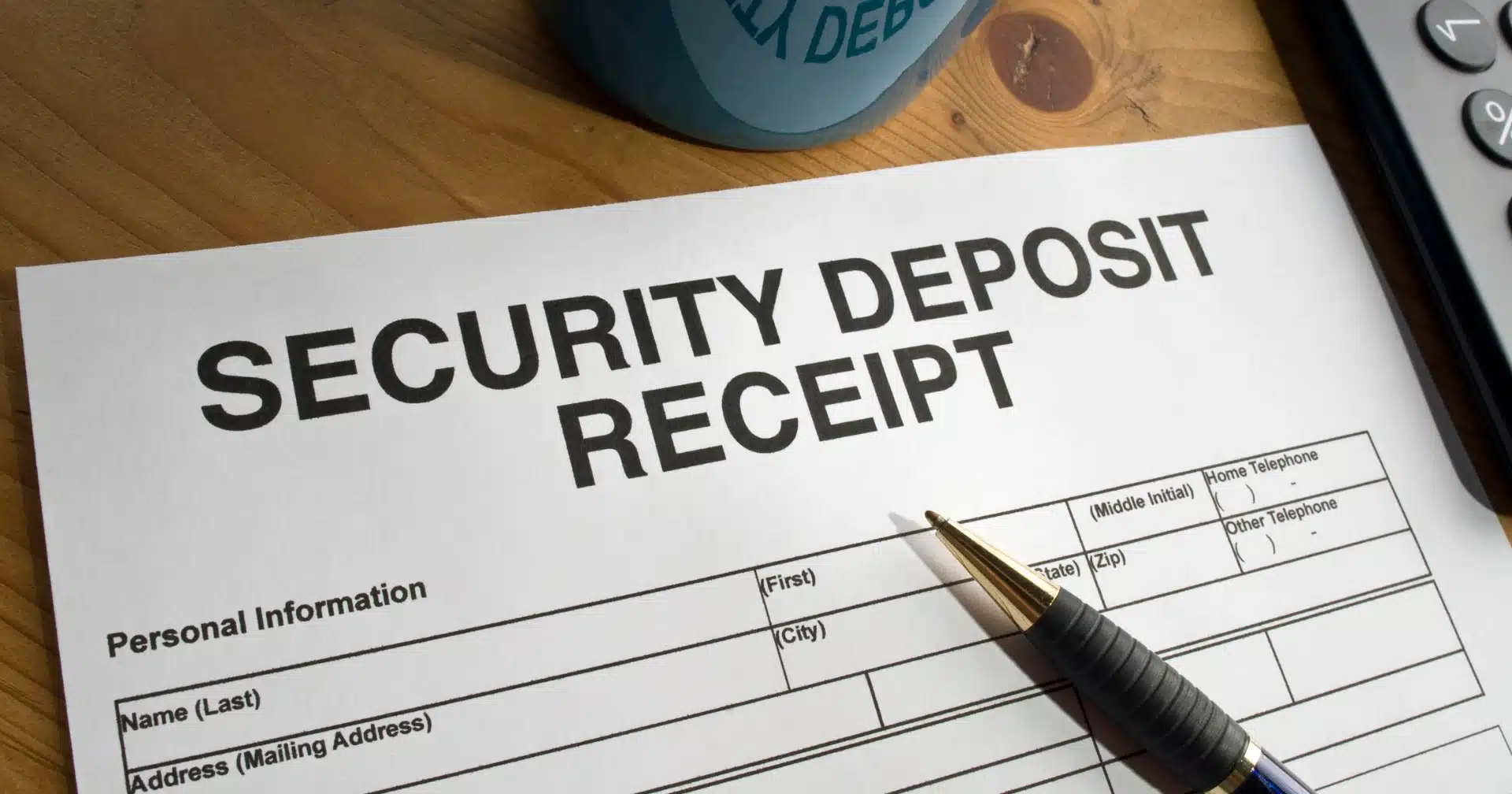
Q1: What is a security deposit receipt?
A receipt is documentation showing what the landlord charged for a deduction. It must include photos and invoices. No receipts = no legal deduction.
Q2: How soon must I get my deposit back?
California law requires refunds within 21 days after move-out, plus itemized proof. Missing this may result in penalties.
Q3: Do landlords still need photos?
Yes. Photos before move-in and after move-out are required if the landlord wants to keep any deposit.
Q4: What if the landlord mails my money late?
If the landlord mailed it late or lost it, you may demand an electronic return or take legal action under AB 414.
Q5: Can landlords keep deposits without receipts?
No. Without proper proof and receipts, landlords have weak grounds to keep your money.
Q6: Who enforces these laws?
You can enforce them in small claims court or with help from a tenant attorney.
Q7: Are normal wear and tear deductions allowed?
No. Normal wear and tear cannot be deducted. Only actual documented damage can be charged.
Q8: Should I take my own photos?
Yes. Your own photos help prove the condition of the unit and protect you.