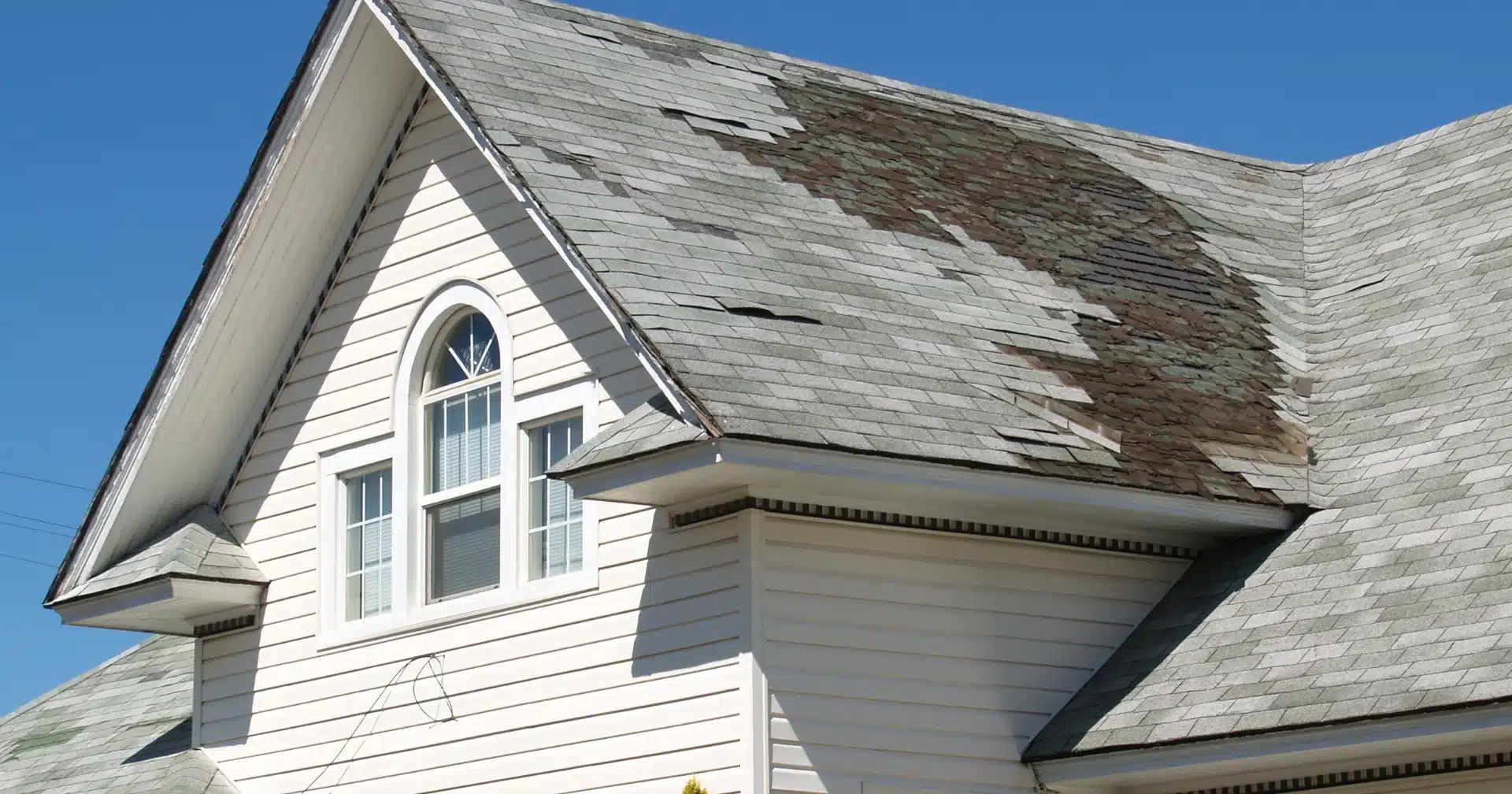
Your child coughs at night. The roof drips. The heater dies again. You call your landlord. You wait. But no one shows. How long can a family live like this in California?
A new national study says more than 12 million children lived in unstable homes in 2022. That is about 17% of all kids in the U.S. That is a huge number. Does that surprise you? Does it worry you?
So, what about your place? Do you wonder if “just one leak” or “just one mold spot” is no big deal? Or could it be something far worse? Could it hurt your child’s lungs? Could it make your home unsafe?
Many landlords let small problems grow into big ones. Why do they do that? Their delay can hurt your peace. It can hurt your health. And it can damage your trust.
So, what counts as unsafe living conditions? Is your home crossing that line today?
This guide uses real cases from 2024 and 2025. It explains the law in plain words. And it shows why waiting can make things worse. No family should live in fear in their own home.
What Hazards Make a Home Uninhabitable
Unsafe homes hold more than cracked tiles or loose doors. They hold mold. Leaks. Bad plumbing. Broken heaters. Weak floors. Pests. And missing safety tools. These things harm your body, your mind, and your family.
A major example is the huge apartment building once known as Marbury Plaza in Washington, D.C. (now Langston Views). Tenants lived with mold, long leaks, no heat, no hot water, and broken elevators. A court looked at all the proof. Then the court ordered the landlord to pay $41 million to more than 1,000 tenants. That is one of the largest awards of its kind.
That case teaches a simple truth: once a home has mold, leaks, or no heat, it may no longer be “just old.” It may be unfit for any family.
Hazards like these can cause:
- Breathing trouble
- Chest tightness
- Falls or injuries from weak walls or ceilings
- Cold-weather dangers when heat fails
- Fear and stress, especially for kids and the elderly
Do you see signs like these in your own home? Do your kids get sick more often? Is your landlord brushing you off? These are red flags. They matter.
Why Do Landlords Neglect Repairs
Why do some landlords refuse to fix things? Why do they ignore leaks or roof cracks? Many think small problems will fade. Some want to save money. Others do not like “complaints.” But what about your safety? What about your kids?
In 2024, tenants in Bentley Manor, owned by Odin Properties, faced this same issue. The building was marked “unsafe” by the city. Inspectors pointed to missing bricks and a leaning rooftop edge. These are serious dangers. Yet the landlord still collected rent for months.
The lawsuit says Odin knew the dangers. But repairs did not come. Why was that the case? Some landlords believe nothing changes as long as rent keeps coming.
This delay breaks trust. It breaks the law. And it can cost landlords millions.
Cases like Bentley Manor show one thing: when landlords ignore danger, tenants pay the price first. But courts may step in later — if tenants speak up.
How to Document Unsafe Housing
If your home feels unsafe, you need proof. Proof is power. Proof helps you speak up. Proof helps a lawyer help you.
You should gather:
- Photos or videos of mold, leaks, broken locks, pests
- Dates of every problem
- Copies of repair requests
- Any notices you get from the city
- Lease and rent receipts
Why does this matter so much? In the Marbury Plaza case, tenants had years of clear notes, pictures, and letters showing real danger. In the Bentley Manor case, tenants had proof of flooding, mold, broken doors, and bad heat. Their records helped show the truth.
Good notes tell your story. They show you tried to fix things. They protect your rights. Do you keep good records now? If not, you can start today.
How to Report Unsafe Rental Conditions
You do not have to stay quiet. You can report unsafe conditions. You can do it in simple steps.
You can reach out to:
- Your city’s housing or building inspection office
- Local code-enforcement staff
- Legal aid groups or tenant-rights groups
- Your landlord in a written letter or email
What happens next? An inspector may come. They may write up the landlord. They may mark the building unsafe. That can force action. It can protect your family.
This is the same path Bentley Manor tenants took. When the city marked the building unsafe, tenants had a stronger case. And in the Marbury Plaza case, code-enforcement action helped lead to the huge judgment.
Reporting may feel scary. But it can protect you. It can stop things from getting worse. Have you thought about reporting yet?
Can Tenants Withhold Rent Legally
Many tenants ask this: “My home is unsafe. Can I stop paying rent?” Sometimes the answer is yes. But the rules change from place to place. California has its own rules, too.
In the Bentley Manor lawsuit, tenants said the landlord could not collect rent while the home was unsafe. City inspectors agreed the place was unsafe. And when a home is not safe, landlords may lose the right to demand rent, especially if they ignore warnings.
But you should be careful. If you withhold rent in the wrong way, the landlord may try to evict you. That is why you need guidance. A firm like The Law Firm For Tenant Rights, Inc. can show you the safe way to do it.
If you document hazards, follow local steps, and get legal advice, rent withholding can be a strong tool. The key is doing it right.
What Legal Remedies Tenants Have
If you lived in unsafe housing, you may ask: “Can I get help? Can I get justice?” Yes, you can. Your rights matter.
The Marbury Plaza case ended with a $41 million award. That shows courts take unsafe housing seriously. In the Bentley Manor case, tenants asked for refunds of rent, repairs, and safe homes.
You may ask for:
- Refund of rent from unsafe months
- Orders forcing repairs
- Money for health harm or moving costs
- A stop to rent collection until the home is made safe
Does this surprise you? Many tenants do not know they have these rights. But with strong proof and a strong lawyer, you can fight back.
The Law Firm For Tenant Rights, Inc. guides you step by step. We listen. We study your case. We fight for safe housing. And we fight hard — the way these cases demand.
When It’s Time to Reach Out
You may need help if:
- Your kids or elders keep getting sick
- You see mold, leaks, pests, or bad wiring
- Your landlord ignores your repair requests
- You feel scared in your own home
Does this sound like your life right now?
If yes, you deserve help, answers, and a safe home.
Safe Homes Are a Right, Not a Privilege
Every family in California deserves a safe place. A warm roof. Clear air. A sturdy wall. Working heat. No leaks. No mold.
When landlords ignore danger, they break more than the rules. They break lives. They break trust. But you can stand up. You can ask for help. You can act.
Court cases like Marbury Plaza and Bentley Manor show that the law is strong. They show that courts take unsafe homes seriously. They show that tenants win when the truth comes out.
If you fear your home may harm your family, you do not have to sit in silence. The Law Firm For Tenant Rights, Inc. is ready. We know these cases. We know how to fight for you. And we know how to make your home safe again.
Call us today. Your family deserves peace.
Quick Questions You Might Ask
What makes a home “unsafe”?
Mold, leaks, no heat, no hot water, pests, or weak structure can all make a home unsafe.
Can I stop paying rent if my home is dangerous?
Sometimes yes, but you must follow local rules and gather proof.
Who can I report unsafe conditions to?
Your city housing office, code-enforcement team, or a tenant-rights lawyer.
Do I need proof if I want to sue?
Yes. Photos, videos, notes, repair requests, and receipts help a lot.
Can I get back rent if my home was unsafe?
Many tenants do. Courts often order refunds in these cases.
Will every landlord get big penalties?
Not always, but courts can punish landlords who ignore danger.
How do I start if I suspect unsafe housing?
Take pictures, write down dates, tell your landlord, and call a lawyer.
Do all cities have the same rules?
No. They change by city and state. A lawyer can guide you.
How long does a case take?
It depends, but good proof helps things move faster.
Is it worth fighting for safe housing?
Yes. Your health, your safety, and your peace all depend on it.