
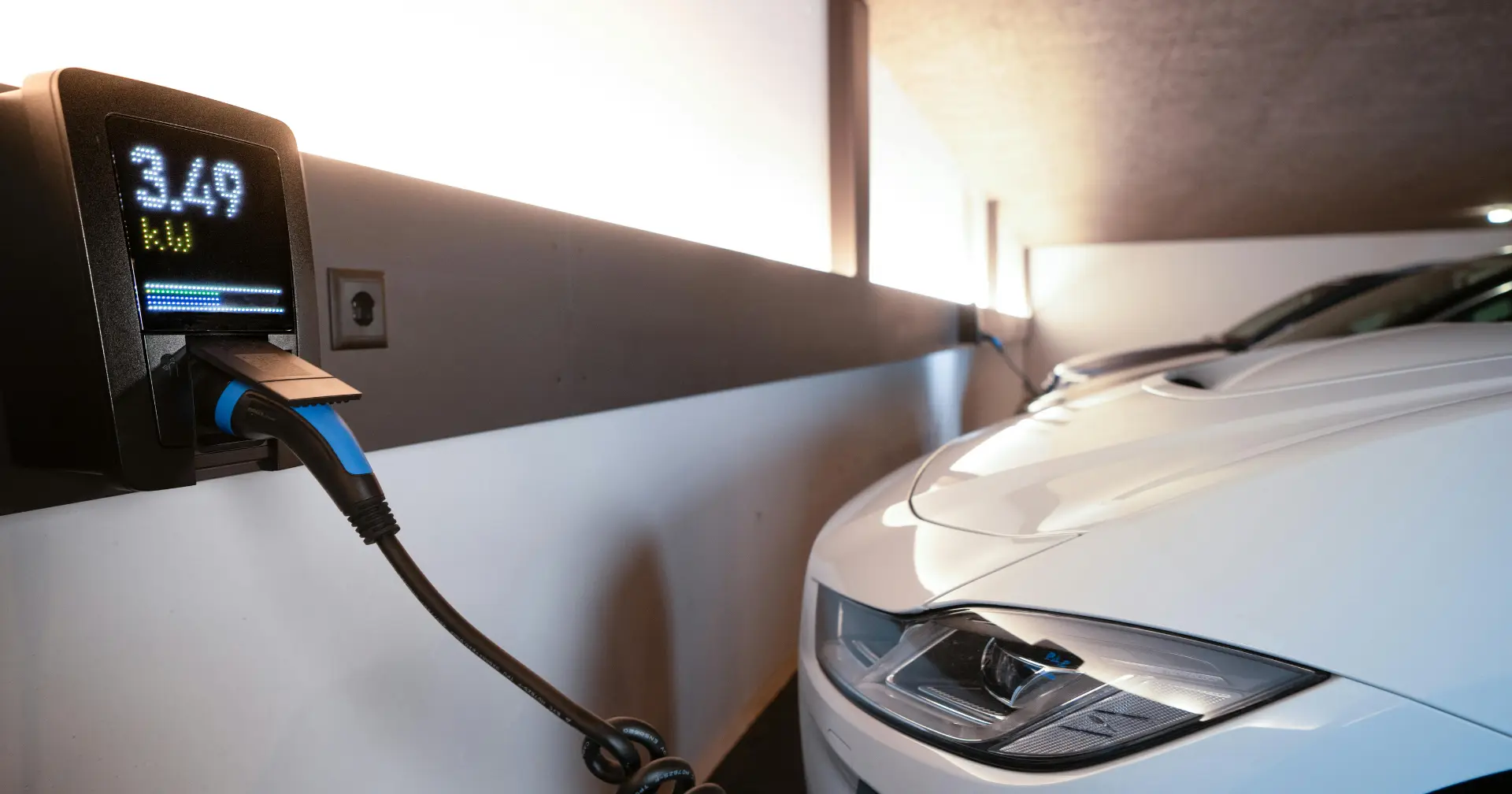
You own an electric vehicle, and you’re ready to install a charger at your apartment’s parking spot. But your landlord says no. They claim it’s too expensive or refuse without giving a valid reason.
California law says your landlord doesn’t get a choice.
California passed one of the nation’s strongest tenant rights laws regarding EV charging. You have a right to install a charger at your designated parking space, whether your landlord likes it or not. They can’t demand unreasonable insurance, and they can’t charge you extra just to say yes.
Many landlords don’t know these rules. Others do know them and ignore them anyway. That’s where The Law Firm For Tenant Rights, Inc. steps in. We help renters understand what the law actually protects and what landlords can and cannot do.
Let’s break down what California law really says about tenant rights to EV charging access.
State Law backs Your Right to Install an EV Charger.
In 2014, California passed Assembly Bill 2565. It became Civil Code § 1947.6, and it changed everything for renters with electric vehicles.
The law is clear: if your lease was signed, extended, or renewed after July 1, 2015, your landlord must approve your written request to install a Level 2 EV charger in your assigned parking space. Landlords can’t say no without a legal reason. They can’t make installation deliberately difficult for the tenants.
There are exceptions. It doesn’t apply if your building already has EV chargers in at least 10% of parking spaces. It doesn’t apply if parking isn’t included in your lease. And it doesn’t apply if your building has fewer than five parking spaces.
Understanding Landlord Approval for Tenant EV Station Installation
Landlords can’t make decisions on a whim. The law requires landlords to follow an approval process. They must respond to your written request in a reasonable timeframe.
What your landlord can demand are reasonable conditions. They can ask that you hire a licensed electrician. They can require that your charger meet California electrical code standards. They can also ask for a detailed plan showing how and where the charger will be installed.
But they cannot require anything unreasonable. They cannot demand that the charger be removed after installation. They cannot force you to pay for upgrades that benefit other tenants. They cannot threaten eviction or retaliation if you pursue the installation.
The best thing you can do is make your request in writing. State clearly that you’re requesting approval under California Civil Code § 1947.6. Include details about your charger model, the installer’s qualifications, and the installation timeline. This creates a written record that matters a lot if disputes arise.
The Renter Liability Insurance Trap (And How SB 638 Fixed It)
Before 2020, California’s EV charging law had a major problem: it required tenants to carry $1 million in general liability insurance. For most renters, that costs hundreds of dollars annually. It made installing a charger financially difficult for many tenants.
Then, Senate Bill 638 was passed in 2019. It took effect January 1, 2020.
SB 638 dramatically simplified the insurance requirement. Now, you don’t need insurance at all if two conditions are met.
- Your charger must be certified by a testing laboratory approved by OSHA.
- A licensed electrician must perform the installation and handle any electrical modifications to your unit.
That’s it. A certified charger and licensed electrician. No insurance required.
If you don’t use a licensed electrician or your charger isn’t certified, your landlord can require personal liability coverage. The amount should be no more than 10 times your annual rent. For someone paying $2,000 monthly rent, that’s a maximum $240,000 policy, which is far more manageable than the old $1 million requirement.
At The Law Firm For Tenant Rights, Inc., we represent tenants at the rent board and handle disputes between tenants and landlords. We make sure landlords aren’t trying to impose illegal insurance demands.
California SB 638 Eliminated the Major Barrier to EV Charging
This change mattered enormously. The original law’s insurance requirement discouraged installation. Tenants saw the cost and simply gave up. Landlords loved it because it blocked charger requests without them having to say no.
SB 638 removed that excuse. Now, landlords can’t hide behind expensive insurance policies. If you hire the right people and buy the right equipment, they lose their leverage.
The shift reflects California’s commitment to EV adoption. The state wants renters to shift to electric vehicles just like homeowners do. Blocking people with unrealistic insurance requirements went against that goal.
What You Pay For and What You Don’t
California law is strict about costs.
You pay for:
- The charger itself
- Installation labour
- Any electrical upgrades needed to support the charger.
- The electricity is used to charge your car.
You don’t pay for:
- The landlord’s general oversight or administrative costs.
- Upgrades that happen to benefit other tenants.
- A parking spot upgrade, though your landlord can charge you a monthly fee if your charger “reserves” a dedicated spot (turning it into assigned parking).
Clarity on costs prevents disputes. Before installation begins, get a detailed estimate in writing. Share it with your landlord. This aligns both parties’ expectations and prevents any surprises and disputes later.
Tenants in Rent-Controlled Units Also Get Protection
Many renters live in rent-controlled housing. At first, California’s EV charging law didn’t apply to them. The 2018 change through Assembly Bill 1796 fixed that.
Now, if your lease was executed, extended, or renewed on or after January 1, 2019, even in rent-controlled units, you have the right to EV charging installation. Your landlord can’t use rent control as an excuse to deny your request.
This protection exists in most California cities. A few local ordinances adopted before 2018 create exceptions, but these are rare.
What Happens If Your Landlord Says No
Landlords sometimes refuse requests illegally. They might claim electrical capacity issues. They might fear insurance liability. They might simply ignore your request entirely.
You have options to deal with this. Send a follow-up letter referencing Civil Code § 1947.6. State that refusal violates California law and request their written explanation for the denial.
Many landlords back down once they realise you know your rights, while others may push harder. If your landlord continues blocking your charger after you’ve made a compliant request, you can file a complaint with your local housing authority or speak with a lawyer for tenant rights who can review your case.
The Law Firm For Tenant Rights, Inc. helps renters in this situation. We review denial letters, assess whether they’re legal, and guide your next steps.
Tenant Rights to EV Charging Access: Frequently Asked Questions
Can my landlord say no to an EV charger?
Not without legal reason. If your lease was signed after July 1, 2015, and you have assigned parking, your landlord must approve a compliant request under Civil Code § 1947.6. They can impose reasonable conditions, but cannot deny based on preference or cost.
What insurance do I actually need?
None, if your charger is OSHA-certified and a licensed electrician installs it. If not both conditions, your landlord can require personal liability coverage up to 10 times your annual rent.
What Level 2 EV charger can I install?
Any charger that meets California’s electrical code and the landlord’s reasonable safety standards. Discuss options with your landlord before purchasing to avoid conflicts.
Who pays for everything?
You pay for the charger, installation labour, electrical upgrades, and electricity usage. Your landlord cannot charge you for administrative or overhead costs.
Do rent-controlled tenants have the same rights?
Yes, if your lease was executed, extended, or renewed on or after January 1, 2019. AB 1796 extended protections to rent-controlled units.
What happens if my landlord refuses approval?
Request their denial in writing. If it violates Civil Code § 1947.6, consult an attorney or file a complaint with local housing authorities.
How long can my landlord take to respond?
California doesn’t specify an exact deadline, but landlords must respond within a reasonable timeframe. 30 days is generally considered reasonable. Persistent delays may violate the law.
Your Path Forward
Installing an EV charger doesn’t have to be a battle. Knowing your rights makes all the difference.
You have legal protection. Your landlord’s job is to approve reasonable requests, not create obstacles. If they’re blocking your charger illegally or demanding unreasonable insurance, you’re not alone.
Contact us today for a free consultation. We help California renters understand their EV charging rights and hold landlords accountable when they violate state law.