
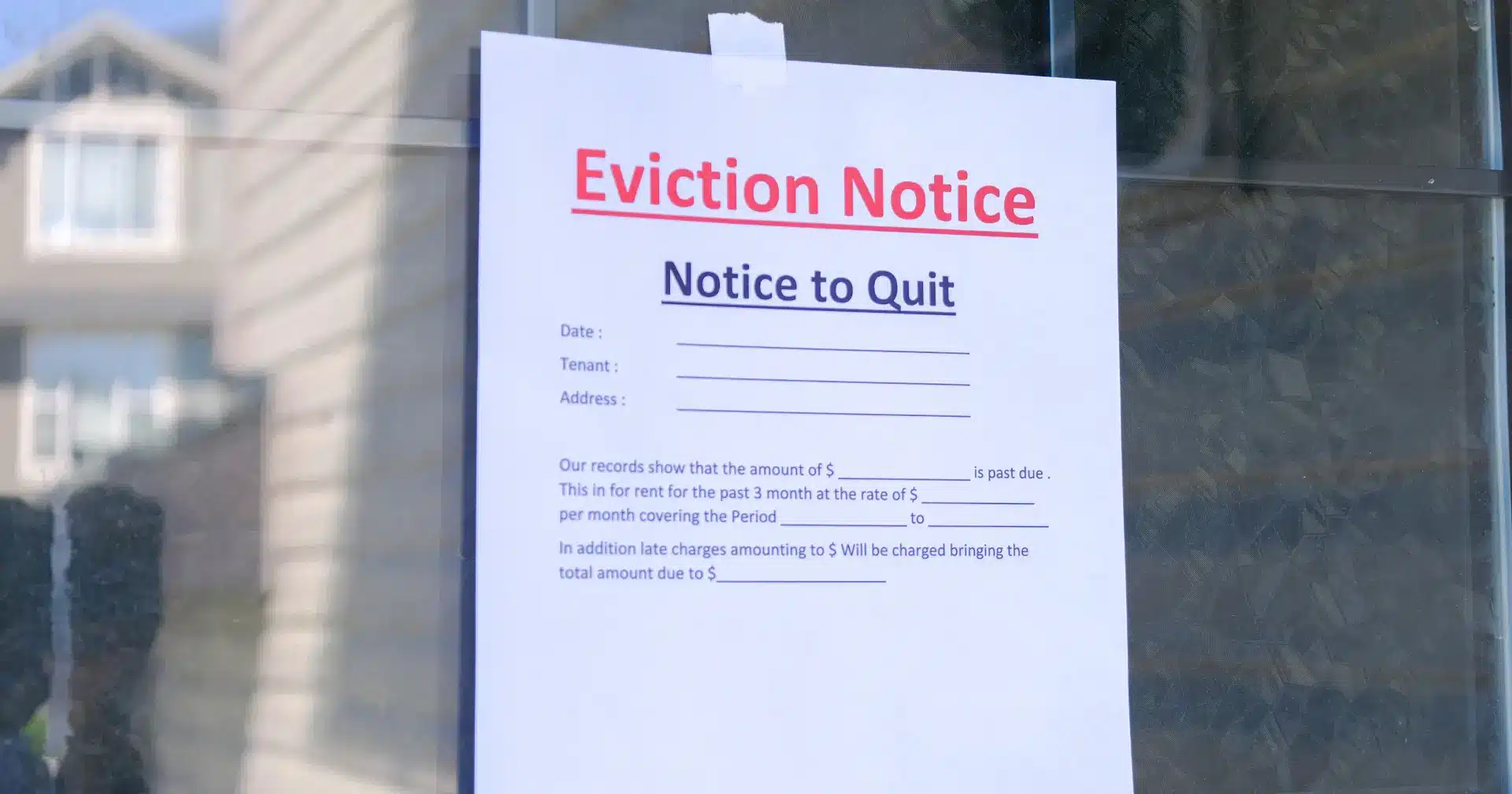
Getting that notice on your door can feel like everything is slipping out of your control. If you’re searching for what to do after eviction notice California because you’re not ready to move out, you’re not alone. Many renters go through this moment quietly, unsure if they have any real options left. The truth is, an eviction notice is not the same as being forced out. It is simply the first legal step in a process that can take time, and that time can work in your favor if you act smartly.
Think about someone like Maria, a tenant in Los Angeles who received a 3-day notice after falling behind on rent. She assumed she had to pack up immediately. But after speaking to a legal aid group, she learned she could respond, request time, and even challenge the notice. That one decision gave her weeks instead of days. According to the California Courts Self-Help Guide, tenants are not removed from a property without a court order, which means you still have a window to act.
Understanding your next move can be the difference between rushing out and staying in control of your situation.
What to Do After an Eviction Notice in California When You Need More Time
If you are trying to figure out what to do after an eviction notice is served in California, because moving right now is not possible, the first thing to understand is that you are not out of options. Many tenants feel rushed, but the law does not work as fast as fear makes it seem. This stage is about slowing things down and making smart moves early.
Why “not ready to move” is more common than you think.
It might feel like you are the only one in this situation, but that is far from true. Imagine a renter who just lost a job and suddenly receives a notice. Packing up in a few days is not realistic. This happens to thousands of people every year. Many tenants face temporary financial setbacks, such as late fees, and need time to recover. Not being ready does not mean you have failed. It simply means you need a plan that buys you time.
The difference between a notice and an actual eviction
A lot of people think a notice means they have to leave right away. That is not true. A notice is just a warning that your landlord may take legal action. An actual eviction only happens after a court case and a sheriff’s order.
For example, a tenant in San Diego stayed in their unit weeks after receiving a notice because the landlord had not filed in court yet. It is important to remember that removal only happens after a judge makes a decision.
Immediate steps to slow things down legally
The first few days matter a lot. Start by reading your notice carefully. Check the dates and reason listed. Then keep records of everything, including rent payments and messages with your landlord. For example, one tenant delayed an eviction simply by showing proof of partial payment that the landlord ignored. You can also reach out for legal help early. Groups like Legal Services Corporation Tenant Help explain that quick action often gives tenants more time to respond properly.
Why timing matters more than anything
Think of an eviction notice like a countdown clock. The sooner you act, the more choices you have. Waiting too long can limit your options and push things into court faster. For example, a renter who responds within a few days might negotiate extra time, while someone who ignores it may face a lawsuit.
According to the National Low Income Housing Coalition‘s Renter Protections, early action is one of the biggest factors in preventing displacement. Even a small step taken quickly can make a big difference.
How Much Time Do You Actually Have Before You Have to Leave
One of the biggest fears tenants have is thinking they must leave right away. But if you are wondering how much time you have after an eviction notice in California, the answer is usually more than you think. A notice is just the first step. Your landlord must file a case, go through court, and win before any removal happens.
According to the California Courts Eviction Timeline, tenants are only forced out after a court order and sheriff enforcement. This process can take weeks, sometimes longer, depending on how you respond.
Steps you should take right away
- Read the notice carefully: Check deadlines and the reason listed so you know what you are dealing with
- Do not move out immediately: You still have time before any legal removal can happen
- Start gathering documents: Keep rent receipts, lease papers, and messages with your landlord
- Respond or seek help early: Talking to a legal expert can help you gain more time
- Track every deadline: Missing a timeline can speed up the eviction process
FAQs
What should I do first after receiving an eviction notice?
The first step in what to do after an eviction notice in California is to read the notice carefully and check the deadline. Then gather your documents and consider speaking to a tenant rights attorney as soon as possible.
Can I stay in my home after getting an eviction notice?
Yes, you can usually stay for some time. A notice is not the same as an eviction. Your landlord must go through court before you are legally required to leave.
What is my 3-day notice to quit California tenant rights?
If you receive a 3-day notice, you may have the option to pay rent, fix a lease issue, or challenge the notice. You are not automatically required to leave within three days.
What are the proper eviction notice response steps?
You should review the notice, track deadlines, and respond if needed. In some cases, you may need to file a formal response in court to protect your rights.
Can you stop an eviction after notice is served?
Yes, in some cases, you can stop eviction after notice, depending on your situation. Paying rent, negotiating, or finding legal issues in the notice can sometimes delay or stop the process.
What happens if I ignore an eviction notice?
Ignoring it can make things worse. Your landlord may move forward with a court case, which can lead to a faster eviction and fewer options to defend yourself.
What are my tenant options after an eviction notice?
You may be able to negotiate with your landlord, apply for rental assistance, or fight the eviction in court. Your best option depends on your specific situation.
How fast can an eviction happen in California?
Evictions do not happen overnight. Even after a notice, the legal process can take several weeks or longer, depending on how the case moves through the court.
Where can I find eviction help for renters in California?
You can reach out to legal aid groups, tenant rights organizations, or a private attorney. Getting help early often improves your chances of staying longer or resolving the issue.
Do I need a lawyer after receiving an eviction notice?
It is not required, but it can make a big difference. A lawyer can help you understand what to do after an eviction notice in California and spot legal defenses you might miss on your own.
You Don’t Have to Handle an Eviction Notice Alone
If you are still unsure about what to do after an eviction notice in California, this is where having the right support can change everything. At The Law Firm For Tenant Rights, Inc., we work with tenants who feel overwhelmed, unprepared, or simply not ready to move out yet, and help them understand their rights in plain language.
From reviewing your notice to identifying legal mistakes and building a strategy that gives you more time, we focus on protecting your position every step of the way. Every situation is different, and the earlier you act, the more options you may have.
If you are facing an eviction notice right now, reach out to us today for a consultation and let us help you take back control before deadlines start closing in.