
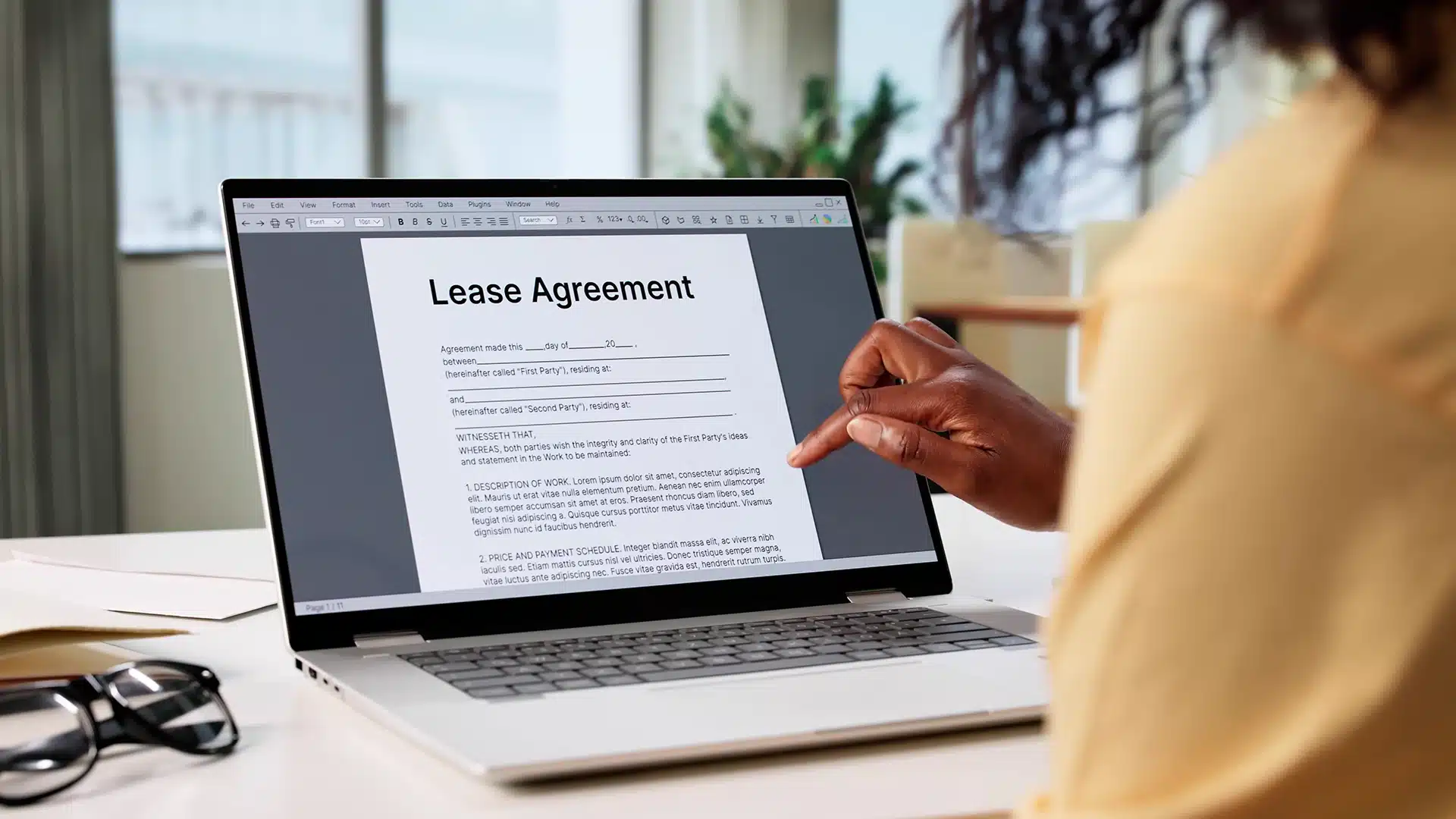
You signed the lease. You meant to stay. But life had other plans.
Maybe the rent jumped, the place felt unsafe, or your job moved across the state. Now you’re stuck asking one thing: Can you leave without making things worse?
Breaking a lease sounds like trouble. Many tenants think it always leads to fees or legal issues. But is that always true? Or are there rules that actually protect you?
Here’s the part most people miss. California law does not trap you forever. Some situations allow you to leave early. And there are also ways to reduce the damage if you must go.
So, what counts as a valid reason? What happens if your landlord pushes back? And how do you protect yourself before making a move?
Let’s walk through this by keeping it simple and real.
How Does Early Lease Termination Work
Ending a lease early is not always a violation. It depends on the reason and how you handle it.
In California, tenants can leave before the lease ends if certain conditions exist. These include unsafe living conditions, landlord harassment, or legal protections like military duty.
For example, if your apartment has serious mold or no heat, that’s not just inconvenient. That may violate habitability laws. In that case, leaving early may be justified.
A 2025 housing report by the National Low Income Housing Coalition shows that poor housing conditions remain a top reason tenants break leases.
Courts have also reinforced this. In Green v. Superior Court (still widely cited in California), the California Supreme Court made a major shift. The court said landlords must provide housing that is fit to live in. This is called the implied warranty of habitability. Before this case, tenants had very limited options. After this decision, tenants could raise poor living conditions as a defense if a landlord tried to evict them for unpaid rent.
The facts of the case were serious. The tenant lived with broken plumbing, pests, no heat, and unsafe wiring. The landlord did not fix these issues. When the tenant stopped paying rent, the landlord tried to evict him. The court stepped in and said something important. If a landlord fails to keep a unit livable, the tenant’s duty to pay full rent may be reduced. In simple terms, rent and living conditions are connected. One cannot exist fairly without the other.
It matters for early lease termination. If a property becomes unlivable and the landlord fails to act, you may have legal grounds to leave. The law recognizes that tenants are not just renting space. They are paying for a safe place to live.
Our habitability and bad faith repairs practice focuses on cases like this. We step in when:
- Repairs are ignored
- Living conditions become unsafe
- Landlords delay action on purpose
We don’t just explain your rights. We help you act on them the right way.
Why Can Tenants Break a Lease Legally
There are clear legal reasons tenants can leave early. The key is proving them.
Common legal grounds include:
- Unsafe or unlivable property
- Landlord harassment or pressure
- Illegal entry or privacy violations
- Military relocation under federal law
Let’s say your landlord keeps entering your unit without notice. That’s not just rude. That may cross legal lines. If it continues, it can justify leaving.
A Los Angeles Times report found over 13,000 tenant harassment complaints led to only four fines, showing weak enforcement. When landlords repeatedly pressure or violate tenant rights, courts may treat it as constructive eviction. That’s why documenting patterns and taking the right steps before leaving matters.
Courts also take such cases seriously. Repeated harassment can lead to constructive eviction claims.
That’s why we’ve built our landlord harassment and constructive eviction service. We:
- Document patterns of harassment
- Help you build a legal timeline
- Guide you before you move out
Because leaving is one step. Protecting yourself after is another.
How Domestic Violence Affects Lease Termination
If you are facing domestic violence, California law allows you to leave your lease early. You must not stay in a place that puts you at risk. But you do need to provide proof, which can include a police report, a restraining order, or a statement from a qualified professional.
There’s a reason this protection exists. Housing instability can make dangerous situations worse. A 2026 review titled Shelter to Survival found that unstable housing leads to long-term physical and mental health harm, especially for people already in vulnerable conditions. When safety is at risk, staying locked into a lease is not a fair expectation.
Here’s a simple example. A tenant facing abuse obtains a restraining order. They notify the landlord and move out. In many cases, they are not responsible for the remaining rent.
That’s where The Law Firm For Tenant Rights, Inc. steps in. Our work in tenant discrimination and safety-related cases often overlaps with these situations. We:
- Help you prepare and submit the proper notice
- Make sure your documentation meets legal standards
- Step in if a landlord refuses to follow the law
You should not have to argue for your safety just to leave a lease.
Is There Any Penalty for Breaking the Lease
Let’s be honest: This is what most people fear.
Yes, there can be a penalty. But it’s not unlimited.
California law requires landlords to reduce their losses. That means they must try to re-rent the unit. They cannot just sit back and charge you the full remaining rent.
Example:
- You leave four (4) months early
- Landlord finds a new tenant in one (1) month
→ You may only owe one month, not four
California law, as explained by the County of Los Angeles Department of Consumer and Business Affairs, requires landlords to mitigate losses when a tenant breaks a lease. They must try to re-rent the unit rather than charge the full rent.
Our wrongful eviction practice helps tenants challenge unfair charges and negotiate responsibly. We review lease terms carefully, challenge unfair charges, and help reduce what you may owe.
You don’t just accept a number. You question it.
How Do Month-to-Month Leases End
Month-to-month leases are more flexible. But they still follow rules.
In most cases:
- Tenants must give 30 days’ notice
- Landlords may need 30 or 60 days, depending on the situation
Sounds simple, right? It usually is. But mistakes happen when the notice is unclear or not documented.
Recent California legislation strengthens tenant protections and modernizes lease procedures. AB 628 ensures units include working stoves and refrigerators. AB 246 protects tenants from eviction if Social Security delays affect rent. AB 391 and AB 414 allow electronic delivery of notices and security deposits with consent. AB 806 lets residents install air conditioning in mobilehome parks. AB 863 requires a single multilingual eviction summons form. Together, these laws clarify how notices must be given, what protections tenants have, and how electronic communication can prevent disputes.
Let’s take a look at this example: You send a text instead of a proper written notice. The landlord denies receiving it. Now you have a dispute.
But don’t worry. Here, our representation at the Rent Board becomes critical. We:
- Help prepare proper notices
- Represent you in disputes
- Make sure procedures are followed
Because small mistakes can turn into bigger problems.
How Does Subletting Work in California
Subletting is often overlooked. But it can save you.
Instead of breaking the lease, you bring in another tenant to take your place. Sounds easy, but it depends on your lease terms.
Some leases allow subletting with approval. Others restrict it.
A 2025 report from the Harvard Joint Center for Housing Studies shows that rising rents, high home prices, and reduced federal housing support have made subletting an increasingly common strategy for tenants under financial pressure. With housing costs and economic uncertainty, finding a subtenant can prevent penalties and keep housing stable:
Let’s say you need to relocate for work. Instead of breaking your lease, you find a subtenant, your landlord approves, and problem solved. But skipping approval risks violations, fines, or even eviction.
At The Law Firm For Tenant Rights, Inc., our attorneys review your lease terms, help you request approval properly, and reduce the risk of disputes. Our goal is simple: Exit cleanly, not chaotically.
FAQs
Can I break my lease for any reason in California?
Not always. You need a valid reason or agreement. Otherwise, you may owe rent.
What is the safest way to leave early?
Give proper notice and document everything. Keep records of communication.
Do I always have to pay a penalty?
No. Landlords must try to re-rent the unit. That reduces what you owe.
Can unsafe living conditions justify leaving?
Yes. Serious issues, such as no heat or mold, may allow early termination.
What if my landlord harasses me?
That may be a legal reason to leave. Keep records and seek guidance.
Is subletting better than breaking a lease?
Sometimes. It depends on your lease terms and landlord approval.
How much notice should I give?
Usually 30 days. But check your lease to be sure.
Can I leave due to domestic violence?
Yes. California law protects with proper documentation.
What happens if I just leave without notice?
You may face financial claims or legal issues. It’s risky.
Should I talk to a tenant lawyer first?
If your situation is unclear, yes. It helps you avoid costly mistakes.
A Smart Exit Beats a Messy One
Breaking a lease feels stressful. But it doesn’t have to spiral.
You’ve seen the key points:
- Some lease breaks are allowed
- Legal reasons matter
- Penalties are not always fixed
- Alternatives like subletting exist
The difference comes down to how you handle it.
At The Law Firm For Tenant Rights, Inc., we don’t guess. We guide. We step in when things get complicated. And we help you move forward without unnecessary damage.
If you’re unsure about your situation, don’t wait until it turns into a dispute. Talk to us. Let’s figure it out the right way.